


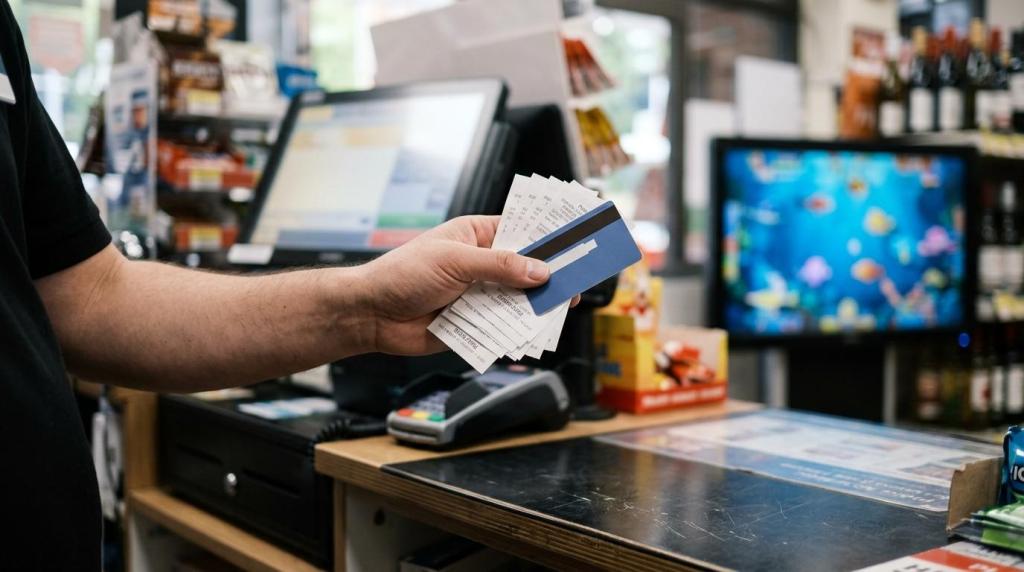
Small locations can run fish table games successfully, but the winning formula is not just the game itself. You need a format that fits your floor, a workflow your staff can manage, and a sweepstakes structure that stands up to basic compliance checks.
TL;DR: Summary
- The best fish table games for small locations are short-session, easy-to-staff fish game setups that pair visible on-screen action with venue-focused software, clear redemption workflows, and a compliant free-entry structure.
- For U.S. sweepstakes promotions, USPS and FTC guidance points to three non-negotiables: no purchase necessary, same odds whether someone pays or uses a free entry method, and official rules that are easy to review.
- Small venues usually do better with web-based fish game software than heavy hardware stacks because you can launch faster, reduce footprint, and connect POS, player accounts, kiosks, and reporting in one system.
- Fish table games often outperform simpler game styles when your goal is dwell time and social visibility, but they require tighter staff training around credits, redemptions, and player flow.
- Named options you may see in the category include Thunder Fishing and Fishing Kingdom, but your real selection criteria should be traffic pattern, counter workload, redemption speed, and compliance controls like age gates and geofencing.
If you operate a smoke shop, gas station, lounge, kiosk, or small game room, you are really choosing an operating model, not just a screen theme. The right fish table game should help you keep sessions moving, make redemptions simple, and support a rules-based promotional structure that is easy to explain to players and staff.
What makes fish table games a strong fit for small locations?
Yes. Fish table games work well in smoke shops and gas stations when you need visible action, short play loops, and a format that draws attention without demanding a large game floor.
Fish table games tend to create more social visibility than many single-lane game types. A player can understand the theme quickly, nearby customers can see what is happening, and staff can manage the experience without teaching a long ruleset. That matters when your location depends on impulse visits and repeat foot traffic.
The bigger advantage is operational. In a small venue, every square foot and every minute at the counter matters. A common mistake is choosing the most dramatic-looking game rather than the game that fits your redemption flow. If your staff already handles age checks, tobacco sales, fuel, or bar tabs, the better fish table setup is the one that creates fewer interruptions.
"RiverSlot is designed for physical retail locations, kiosks, POS workflows, and fish game setups rather than a generic consumer game app."
How do fish table games work inside a retail sweepstakes setup?
They work as promotional games tied to venue workflows. In a RiverSlot-style setup, you typically manage credits, player tracking, redemption process, reporting, and kiosk activity through a web-based system built for physical locations.
That distinction matters. A fish table game may look like entertainment software on the front end, while the back end handles the promotional accounting, player tracking, and redemption process your business needs. If you run multiple terminals or kiosks, you also need staff permissions, location controls, and reporting that a consumer app rarely covers.
A common misconception is that buying more should improve a player's chance of winning. Official sweepstakes guidance points the other way. USPS Publication 546 states that no purchase is necessary to enter and that the chances of winning are the same whether or not someone orders. The FTC also states that real sweepstakes are free and based on chance. If your venue uses fish table games as part of a sweepstakes promotion, your free entry path and same-odds structure cannot be an afterthought.
What are six fish table games and formats that work best for small locations?
The best options are usually the ones that reduce staff friction and fit your traffic pattern. Thunder Fishing and Fishing Kingdom are recognizable examples, but format fit matters more than name recognition alone.
Before you choose, look at who plays, how long they stay, and how often your staff has to intervene. Small locations rarely win by maximizing complexity. They win by keeping play clear and redemptions fast.
-
Thunder Fishing in a RiverSlot setup
This is a practical pick when you want a known fish game name plus web-based POS, redemption, and reporting tools in one stack. -
Fishing Kingdom
This fits locations that want a familiar fish-table presentation and a game style that is easy for returning players to recognize. -
Fast-round fish shooter formats
These work well in checkout-adjacent environments where customers may only stay a few minutes. -
Boss-wave fish table formats
These can increase spectator appeal because players notice the target progression, which helps in bars and lounges. -
Dual-station fish table layouts
These are useful when you need shared visibility but cannot dedicate much floor space to a larger setup. -
Kiosk-linked fish promotion modes
These make sense when your operation relies on self-service play entry and wants less counter involvement during peak periods.
How do you choose the right fish table game for your floor?
You should choose by traffic pattern first, not theme first. A convenience store and a lounge can use the same category, but the right fish table game will not be configured the same way.
Start with visit length. If most guests are in and out quickly, choose a fish table game that reads clearly within a short session and does not require much explanation. If your customers tend to stay, talk, and revisit the screen, you can support a format with more visual progression.
Next, match the game to staff workload. If one employee covers checkout, ID checks, and redemptions, you want fewer intervention points and a simple account flow. If you have a dedicated attendant, you can support a richer player setup.
Then test the full path from entry to redemption. If a game looks great but causes slow redemptions or frequent rules questions, it is the wrong choice for a small location. The pro move is to evaluate the game as an operating process, not as entertainment in isolation.
Fish table games vs slot-style promotions: which fits a small venue better?
Fish table games usually fit better when you want social visibility and longer dwell. Slot-style promotions often fit better when you want ultra-simple play and minimal explanation at the counter.
Fish table games create a more active screen and a more communal feel. That can help in bars, lounges, and game rooms where players watch each other and stay longer. The trade-off is that fish-style gameplay can require more orientation for first-time users.
Slot-style promotions are usually easier to explain in one sentence. That makes them attractive in stores where most customers are passing through. If your revenue depends on repeat short visits, simple slot-style play may convert faster. If your revenue depends on time on site and a more entertaining floor feel, fish table games often give you more upside.
The practical rule is simple. If your venue sells time and atmosphere, fish table games deserve strong consideration. If your venue sells speed and familiarity, slot-style promotions may be the cleaner fit.
Cabinet-based fish tables vs web-based fish game software: which is easier to operate?
Web-based fish game software is usually easier for small operators to run. Dedicated cabinets can feel more arcade-like, but they take more space, create more hardware dependency, and can complicate updates and service.
A cabinet-heavy approach can make sense when your location is built around a game-room identity. You get a more fixed presentation, and some players like the physical feel. The trade-off is footprint, maintenance, and less flexibility if you want to reconfigure the floor or expand to another location.
A web-based setup changes the equation. RiverSlot positions this model around physical venues, kiosks, POS workflows, and fish game setups without requiring servers or special hardware. If your location changes layouts, adds terminals, or needs to scale to another store, browser-based deployment is usually the easier path.
One more point matters here: small operators often underestimate reporting. If you cannot see redemption patterns, session activity, or location-level performance quickly, you will spend more time guessing than operating.
How do you launch a fish table game in under a day?
You can launch quickly if your software, rules, and staff workflow are already defined. RiverSlot is built around web-based deployment, which reduces the delays that usually come from hardware installs and on-site server work.
The fastest rollouts happen when you treat launch as an operations checklist, not a technical event.
- Connect your location workflow: decide how players will enter, how staff will issue or track credits, and where redemptions will happen.
- Configure the control layer: set staff access, player account options, kiosk behavior, and any age gate or geofencing controls your venue needs.
- Test live scenarios: run a staff-only check for entry, gameplay, free-entry handling, redemption, reporting, and rule display before you open the floor.
When operators struggle, it is usually because they rushed the workflow test. A game can be live and still be operationally messy. The better launch is the one your cashier can explain in plain language in under 30 seconds.
"RiverSlot says operators can launch in under 1 hour with no servers or special hardware."
How do you keep fish table promotions compliant with U.S. sweepstakes rules?
You keep them compliant by building the promotion around free entry, chance-based outcomes, same odds, and clear official rules. USPS Publication 546 and FTC guidance both support those basics.
This is where many operators get tripped up. The game screen is only one part of the picture. The real compliance test is whether your promotion structure, store process, and customer messaging all say the same thing. If a customer believes a purchase is required, or believes paying improves winning chances, your risk rises fast.
Use this checklist as a starting point:
- Free entry path: Offer a real alternative method of entry, not a hidden or impractical one.
- Same odds: Keep winning chances the same whether a player pays or enters through the free method.
- Official rules: Make rules accessible and readable at the venue and at the point of entry.
- Clear UX and staff language: Avoid dark-pattern messaging or scripts that imply a purchase is necessary.
You still need location-specific legal review because state and local treatment can vary. Still, the core rule does not change: fish table promotions need a venue-focused software stack and a compliant sweepstakes structure.
Which KPIs matter most for fish table games in small locations?
The most useful KPIs are operational, not just financial. In small stores and lounges, redemption speed, repeat visits, and staff interruption rate often tell you more than raw play volume.
If you only watch total revenue, you may miss the reason performance is changing. A fish table game can look busy and still underperform if redemptions are slow or staff spend too much time fixing player issues.
Track these metrics consistently:
- Session starts: How many play sessions begin per day or shift
- Redemption time: How long it takes staff to complete a normal payout or prize process
- Repeat participation: Whether the same players return weekly or monthly
- Staff touches: How often employees must explain rules, reset access, or solve account problems
- Location variance: Which terminals, kiosks, or stores perform differently and why
If one game gets more starts but also causes more counter friction, it may not be your best performer. The best fish table game for a small location is the one that produces stable play with low operational drag.
"RiverSlot includes reporting, location management, and distributor dashboard tools, with 24/7 customer support for operators."
As SRS Networks points out in its overview of IT SLAs, agreeing on response times, responsibilities, and escalation paths up front reduces avoidable downtime once a system is on the floor.
When should you add multi-location tools or play-at-home extensions?
You should add them when one location stops behaving like a standalone store. The tipping point usually comes when you need shared reporting, distributor visibility, or revenue continuity beyond the venue floor.
For a single small location, simple control and clear reporting may be enough. Once you manage multiple stores, kiosks, or partner-run rooms, you need stronger permission controls, centralized visibility, and a consistent redemption process. That is where multi-location dashboards start paying for themselves.
Play-at-home features can also make sense, but only if they fit your compliance and operating model. The upside is obvious: you extend customer activity beyond in-store visits. The trade-off is that your rules, geofencing, account management, and messaging must stay consistent across channels. If you are still refining your in-store process, get that stable first. Then add remote play options from a position of control, not guesswork.