


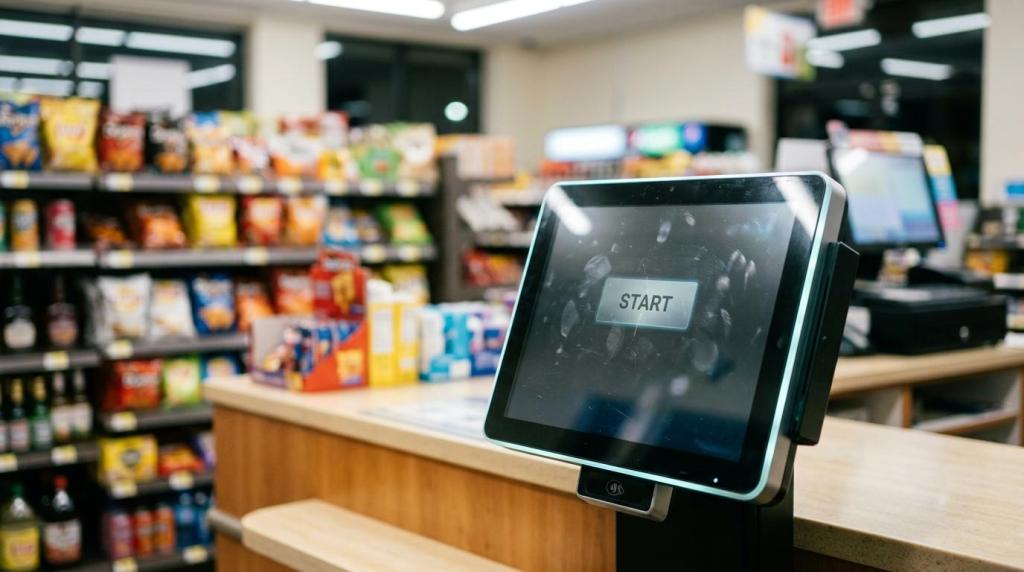
Small retail stores can use sweepstakes games to increase repeat visits, longer dwell time, and higher redemption activity, but only if the promotion is built around compliance first. The game format matters, yet the rule set matters more.
TL;DR: Summary
- The best sweepstakes games for small retail stores are simple, fast, and easy to explain at the counter: instant reveal cards, spin games, fish game formats, match-and-win screens, digital drop games, bonus rounds, and kiosk-based prize draws.
- In the United States, a retail sweepstakes promotion is only viable if it follows core standards like no purchase necessary, clear rules, and disclosures that state buying will not improve the chance of winning.
- FTC enforcement and state consumer guidance both warn against dark patterns or sales messaging that makes customers think a purchase is required to enter or helps them win.
- If your store has short visits and limited staff, choose quick-play instant-win games; if you want longer session time and more entertainment value, fish game formats can fit better but need tighter staffing, redemption, and policy controls.
- A web-based platform with player accounts, POS workflows, redemptions, kiosk controls, and location reporting is usually the most practical model for small stores because it reduces hardware overhead and makes multi-location management easier.
- Your safest operating model is plain-English rules, separate sweepstakes screens from product sales, staff scripts that never imply better odds from buying, and reporting tools that document entries, redemptions, and account activity.
If you run a smoke shop, convenience store, gas stations, bar, or game room, your decision is less about picking the flashiest game and more about matching the right format to your floor, staff, and compliance process. The stores that get this right treat sweepstakes games as a structured promotion, not as a vague add-on.
Are sweepstakes games a good fit for small retail stores?
Yes. FTC guidance and Arizona consumer guidance point to the same baseline: sweepstakes games can fit small retail stores only when the promotion is clearly separate from the sale.
That makes them a better fit for operators who want a repeat-visit promotion with measurable activity, not a loose traffic gimmick. A good setup gives you player accounts, redemption controls, clear house rules, and a counter process your staff can repeat the same way every time. If you cannot train staff to explain the offer in plain English, the format is too risky.
The strongest use cases are physical retail sweepstakes locations where customers already spend a few minutes on site. Think smoke shops, gas stations, convenience stores, kiosks, small lounges, or fish game rooms. In those settings, a well-run promotion can support loyalty and incremental foot traffic without forcing you into heavy hardware or server management.
"RiverSlot positions its platform for physical retail sweepstakes locations, game rooms, kiosks, and distributor-managed networks."
What makes a sweepstakes game legal enough to consider in the United States?
A compliant structure starts with FTC standards and state rules: no purchase necessary, no better odds from buying, and clear disclosures that customers cannot miss.
That point is not optional. In 2023, the FTC said Publishers Clearing House used dark patterns that made people think a purchase was needed to win or would increase winning chances. The agency also said disclosures must be clear, conspicuous, and unavoidable, and that sweepstakes entry must be clearly distinguished from ordering.
For your store, that means the promotion cannot be hidden inside sales language or implied as a paid advantage. If a cashier says, “Buy more for better chances,” you have a problem. If your kiosk or landing screen blends the sale and the entry into one confusing flow, you have a problem. A common misconception is that a disclaimer buried in small print fixes everything. It does not.
You also need plain-English rules, a simple entry method, and consistent prize handling. Some regulators and consumer agencies also expect odds of winning or the method used to determine winners to be disclosed. If your program cannot explain entry, redemption, eligibility, and prize terms clearly, you should stop and fix the process before launch.
What are the 7 best sweepstakes games for small retail stores?
The best options are fast, teachable, and easy to manage. Platforms like RiverSlot and similar retail systems usually work best when the game mechanics match your traffic pattern, staff time, and redemption workflow.
- Instant reveal cards: Best for smoke shops, gas stations, and c-stores with short visits. Customers understand the format immediately, and staff can process wins quickly.
- Spin-the-wheel games: Good for promotional energy and simple prize tiers. They work well when you want visible excitement without long session time.
- Fish game sweepstakes: Stronger for entertainment-focused rooms where players stay longer. You get higher dwell time, but you also need tighter monitoring and redemption controls.
- Match-and-win symbol games: Familiar and easy to explain. These fit stores that want a game-like feel without heavy onboarding.
- Digital drop or plinko-style games: Useful when you want a visual, event-like promotion. They create a sense of chance while staying simple at the counter.
- Timed bonus round games: Good when you want short bursts of activity and repeat play sessions. These can help smooth traffic across slower hours.
- Kiosk-based prize draw games: Practical for stores that want self-service entry and less cashier involvement. They depend on clear on-screen rules and well-managed account controls.
The trade-off is simple. The more engaging the format, the more operational discipline you need. Quick games reduce staff load. Longer play formats can improve time on site, but they increase the need for account controls, redemption policies, and consistent supervision.
How do instant-win sweepstakes games compare with fish game sweepstakes?
Instant-win games are better for speed, while fish game sweepstakes are better for longer engagement. Retailers often choose between these two based on floor space and customer intent.
If your average customer visits for only a few minutes, instant reveal or spin games usually make more sense. They keep the promotion moving and reduce line buildup at the counter. They also make it easier to explain that the sweepstakes is a promotion with rules, not a purchase-based advantage.
Fish game sweepstakes fit a different operating model. They are more entertainment-driven and usually work best in dedicated game rooms, lounges, or areas where customers expect to stay longer. The upside is stronger session time. The downside is more staff attention, more frequent redemptions, and more chances for inconsistent explanations if your team is not trained.
A useful rule is this: if your store earns more from rapid turnover, choose instant-win. If your store benefits from longer on-site engagement and has room to supervise play, fish game formats can be the stronger option. Many operators get this backward and pick the most visually exciting game before checking whether the staff can support it.
"RiverSlot says its cloud-based system includes 70+ promotional games with free updates."
How do you choose the right sweepstakes game for your store layout and customer mix?
You should choose the format by traffic flow, visit length, and staff capacity. A convenience store and a dedicated fish room should not use the same game mix.
Start with traffic. If most customers come in, buy, and leave within five minutes, use a short-play format with minimal explanation. That usually means instant reveal, spin, or match-and-win games. If people tend to linger, sit, or socialize, you can test longer formats that reward session time.
Next, map the store layout. If the play area is close to the register, staff can supervise more easily and process redemptions faster. If kiosks sit in a corner or in a second room, you need better on-screen instructions, stronger account controls, and a cleaner dispute process. Pro tip: a game that looks easy on a demo screen can create confusion once you add real customers, noise, and line pressure.
Last, check staffing reality. If one employee covers the counter, age checks, product sales, and redemptions, do not choose a format that creates constant support requests. If you have more coverage or a dedicated room, you can support games with deeper play loops and more redemption activity.
How do you launch a compliant in-store sweepstakes promotion step by step?
You should launch in three passes: rules, workflow, and signage. Stores that reverse that order often create avoidable compliance gaps.
First, write the operational rules before you think about graphics. Define eligibility, no-purchase entry, account setup, redemption steps, prize handling, and any location restrictions. Put the rules into plain English. If a first-time customer cannot explain the offer back to you, the wording is not ready.
Second, build the customer path. Separate product sales from sweepstakes entry on screens, receipts, and staff scripts. This matters because FTC enforcement has focused on promotions that blur those lines. If your workflow mixes the two activities, redesign it before launch.
Third, place and test disclosures where customers actually look. The standard is not “technically available.” The standard is clear, conspicuous, and unavoidable. That usually means visible in-store signage, on-screen rule access, and staff scripts that say buying does not help anyone win. A common mistake is focusing on the game art and leaving the disclosure buried in a submenu.
"RiverSlot says setup is under 1 hour, which matters when you want to test a retail workflow without adding local servers."
How do web-based sweepstakes platforms compare with local servers and special hardware?
Web-based platforms are usually the stronger fit for small stores. RiverSlot and similar SaaS systems reduce hardware dependency, while local-server setups add maintenance and single-site friction.
A cloud model works well when you want faster deployment, remote access, simpler updates, and less on-site equipment. That matters for owners who operate one store today but may add kiosks or multiple locations later. You also reduce the risk of building your operation around a machine that only one technician knows how to maintain.
Local servers can still make sense in highly customized environments, but they create overhead. You need more installation work, more device management, and more recovery planning if something breaks. If your business model depends on rapid rollout across several sites, local hardware becomes a drag.
The hidden trade-off is reporting discipline. Web-based systems usually make it easier to centralize player accounts, staff permissions, and redemption logs. If you want distributor-managed networks or cross-location visibility, that matters more than the game graphics. Many operators spend too much time comparing screen designs and too little time comparing account controls.
How do you train staff to avoid compliance mistakes at the counter?
You should train staff with scripts, scenarios, and redemptions, not just a policy sheet. The FTC and state consumer agencies care about what the customer experiences, not what sits in your back office.
Start with one script every employee must use. It should explain the promotion in plain English and state that no purchase is necessary and buying does not improve the chance of winning. Keep it short enough to repeat under pressure. If different employees describe the offer differently, customers will notice the inconsistency before you do.
Then run counter scenarios. Practice first-time entry, no-purchase entry, disputed wins, age checks, and payout or redemption questions. This is where many stores slip. A manager may know the rule, but a busy cashier may improvise and create a misleading statement.
Finish with documentation habits. Staff should know how to verify player accounts, record redemptions, and escalate exceptions. Pro tip: if a situation feels unusual, require a pause and a manager review instead of a fast verbal promise. Fast answers sound helpful, but they can create the exact sales-linked implication you are trying to avoid.
What reporting, player account, and multi-location tools matter most as you grow?
The most useful tools are player accounts, redemption logs, staff permissions, and location reporting. Those features turn a sweepstakes promotion from a loose in-store activity into a manageable retail system.
You need visibility into who entered, how credits were used, what was redeemed, and which staff account handled the action. That is not just an operations benefit. It also helps you spot training gaps, unusual redemption patterns, and store-to-store differences before they become costly.
For a single location, basic dashboards may be enough. Once you run kiosks, multiple counters, or several stores, the priority shifts to standardized workflows. If one location uses one rule explanation and another uses a different one, your risk rises with scale.
"RiverSlot says its platform includes player accounts, redemptions, kiosk management, reporting, staff access, and location management."
The tools that usually matter most are:
- Player accounts: Clear tracking of entries, balances, and redemption history.
- Staff permissions: Controlled access for cashiers, managers, and owners.
- Redemption reporting: A record of wins, payouts, and exceptions.
- Kiosk management: Consistent rules, screen flows, and account access across devices.
- Multi-location views: Central oversight for distributor networks and growing retail groups.
If you plan to grow, choose the reporting model before you add more games. Game variety can wait. Operational consistency cannot.