


A gaming kiosk can look simple on the sales floor, yet the real decision is not the screen, cabinet, or tablet. Your bigger issue is whether the kiosk’s function, promotion flow, and device status fit the laws that apply in your state and under federal rules.
TL;DR: Summary
- A gaming kiosk for a sweepstakes store is only viable when the kiosk design, promotional rules, and store workflow fit your jurisdiction’s laws, because state law can ban certain sweepstakes devices outright.
- North Carolina General Statute 14-306.4 broadly defines a sweepstakes-related “electronic machine or device” and makes it unlawful to operate one for sweepstakes, even if it is server-based, uses a simulated game terminal, or reveals predetermined results.
- Federal compliance can still matter beyond state law: the Gambling Devices Act of 1962 may trigger annual DOJ registration behavior for covered device businesses before interstate or foreign commerce, and the DOJ does not issue advisory opinions on specific devices.
- FTC sweepstakes guidance says your ads and offers should clearly state the odds of winning or the factors that determine odds, disclose a free method of entry, and describe prizes truthfully.
- If you run kiosks across smoke shops, gas stations, bars, or internet cafes, focus on role-based controls, age gates, geofencing, reporting, redemption logic, and legal review before launch.
If you operate retail promotional gaming in the United States, you need to think like both an operator and a compliance manager. That means separating three questions: what the kiosk does, what your promotion says, and what device or registration rules may apply before you put anything on the floor.
What is a gaming kiosk in a sweepstakes store?
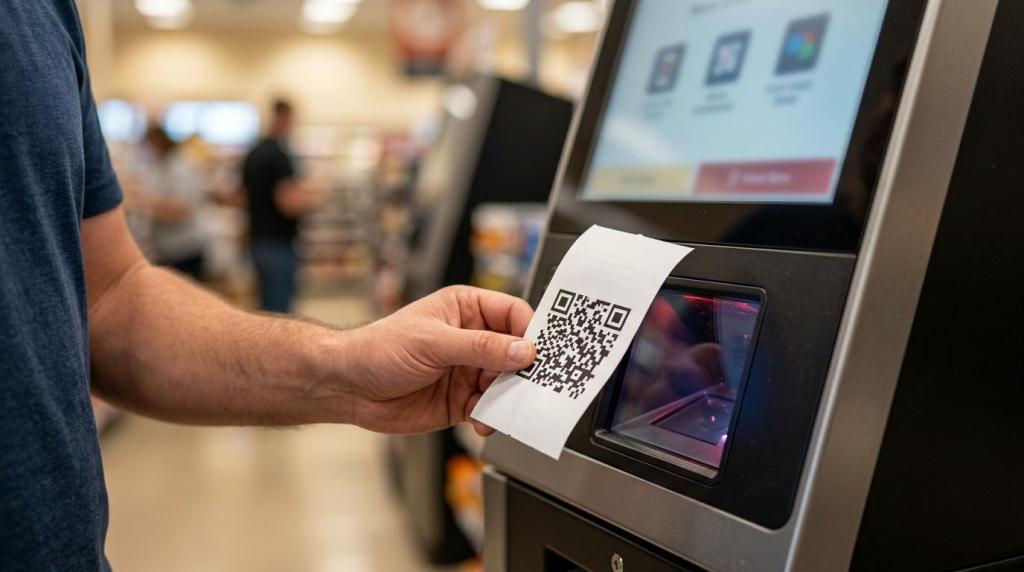
A gaming kiosk is a retail terminal used for player access, promotional play, or redemptions. RiverSlot and similar platforms treat the kiosk as one part of a wider stack that also includes POS controls, player accounts, reporting, and location-level settings.
In practice, a “gaming kiosk” can be a dedicated cabinet, a self-service redemption station, a tablet, or even a TV configured as a promotional gaming terminal. That matters because regulators often care more about the function of the device than its outer form. A common mistake is assuming a smaller footprint changes the legal analysis by itself.
RiverSlot’s product examples show how broad the category can be. Its River TV Center uses a River Android Stick over Wi-Fi to turn a store TV into a promotional gaming terminal, its tablet option adapts regular tablets for sweepstakes use, and its River Redemption Kiosk supports self-service point purchase and redemption workflows.
"RiverSlot can turn a store TV into a promotional gaming terminal using a River Android Stick over Wi-Fi, which is a practical option when your location has limited floor space."
Why is gaming kiosk compliance mostly a legal design issue?
Gaming kiosk compliance is mostly about legal design, not cosmetics. North Carolina and the U.S. Department of Justice both focus on how a device is used, who uses it, and whether it falls into a regulated or prohibited category.
North Carolina’s statute is a strong example. Under GS 14-306.4, an “electronic machine or device” is defined broadly when it is owned, leased, or possessed by a sweepstakes sponsor or promoter and intended for use by a sweepstakes entrant. The law reaches mechanically, electrically, or electronically operated devices. It also applies even if the setup is server-based, uses a simulated game terminal, predetermines prize results, requires payment to activate, or requires the purchase of a related product.
That last point trips up many operators. If you assume a predetermined finite pool of entries or a remote server structure automatically solves the problem, North Carolina’s language says you should slow down and get legal review first. In that state, the law says it is unlawful to operate or place into operation an electronic machine or device for sweepstakes.
What are the 8 facts that matter most when you evaluate a gaming kiosk?
The most important facts are legal, operational, and promotional at the same time. RiverSlot is a useful benchmark because it reflects how modern sweepstakes software bundles kiosks, POS, player accounts, redemptions, and remote management into one retail system.
Before you compare vendors, make sure you are comparing the right category. A kiosk project can fail because the legal model is wrong, even when the hardware and games work exactly as planned.
- RiverSlot shows that a modern gaming kiosk is usually part of a web-based retail software stack, not a standalone machine.
- State law can control the result before you even choose hardware.
- North Carolina explicitly defines sweepstakes-related electronic machines and devices broadly.
- A server-based setup or simulated game terminal can still be covered by restrictive laws.
- Predetermined results do not automatically remove device risk.
- Federal rules can add a second layer through gambling device registration behavior.
- Sweepstakes promotions still need clear disclosures about odds, entry methods, and prizes.
- Your store workflow, redemption rules, and audit trail matter as much as your game catalog.
How do North Carolina sweepstakes kiosk rules affect your store?
North Carolina rules can block the entire sweepstakes kiosk model. GS 14-306.4 is one of the clearest examples of a state rule that focuses on the device’s sweepstakes use and prohibits operation.
If you are planning a location in North Carolina, do not start with the hardware quote. Start with the statute and a licensed lawyer who handles sweepstakes, gaming, or regulated promotions in that state. You need to test the entrant flow, the payment trigger, the reveal method, and the device’s role in the promotion.
Use this sequence before you invest in rollout:
- Map the entrant interaction: Does a sweepstakes entrant use the device directly to activate, reveal, or play?
- Check the device triggers: Is the kiosk server-based, simulated, payment-activated, or tied to a related product purchase?
- Make the state decision first: If North Carolina law bars the model, redesign the promotion or avoid that deployment.
A useful misconception to avoid is this: changing from a cabinet to a tablet or TV does not change the result if the legal function remains the same. In a state with broad device language, your form factor is not your safe harbor.
How should you check U.S. gambling device registration exposure?
Federal registration exposure should be checked early. The U.S. Department of Justice says the Gambling Devices Act of 1962 requires registration by any person or entity engaged in manufacturing, repairing, reconditioning, buying, selling, leasing, using, or making available for use any gambling device before it enters interstate or foreign commerce.
That creates a separate layer from state sweepstakes law. Even if your store-level promotion looks operationally simple, you still need to ask whether the device category, business role, and movement across state or national lines create federal registration duties. The DOJ also states that registration must be requested in writing each calendar year before engaging in the business.
A clean screening process usually looks like this:
- Identify your role: Owner, distributor, lessor, reseller, repair provider, or venue operator.
- Trace the device path: Intrastate only, interstate shipment, or foreign commerce.
- Escalate the legal question: The DOJ does not give advisory opinions on whether a specific device is covered.
If your vendor, distributor, and store each touch the hardware or make it available for use, each party should know its role before launch. RiverSlot itself warns operators not to assume the same software settings are lawful in every state and tells them to consult a licensed U.S. lawyer before starting promotional games at a store or gameroom.
"RiverSlot tells operators not to assume all software products and settings are lawful in every state and recommends licensed U.S. counsel before launch."
What disclosures must your sweepstakes promotion show?
Your promotion should clearly disclose odds, entry options, and prize details. FTC guidance says sweepstakes and games-of-chance ads must state the odds of winning any prize or explain the factors that determine the odds.
This is where many kiosk programs get sloppy. Operators focus on the kiosk screen, yet the legal risk often sits in the signage, landing page, printed receipt, SMS flow, or cashier explanation. If one part says there is a free method of entry and another part hides it, you have a process problem, not just a copy problem.
Build your disclosure workflow in this order:
- State the odds: Give the odds of winning, or explain the factors that determine them.
- Disclose free entry: Make clear that consumers do not have to use a paid call or paid path to enter if a free method exists.
- Describe prizes accurately: Keep prize descriptions truthful and specific.
A pro tip here is to use the same approved language everywhere the customer sees the offer. If the kiosk, POS receipt, poster, and web page do not match, you create avoidable risk.
How is a redemption kiosk different from a promotional gaming terminal?
A redemption kiosk handles self-service account funding or prize redemption, while a promotional gaming terminal is tied more directly to player interaction and game presentation. RiverSlot separates these roles with products like the River Redemption Kiosk and River TV Center.
That difference matters operationally. A redemption kiosk can reduce cashier load, shorten lines, and make the store easier to run during busy hours. A promotional gaming terminal is more about the player session itself, including account access, reveal mechanics, or game interaction depending on the setup.
Do not assume the redemption label makes the unit harmless. If the overall promotion flow still places the device inside a regulated or prohibited activity, the compliance question stays alive. Separating redemption from gameplay may improve workflow, but it does not erase the need for state-specific legal review.
"RiverSlot offers separate retail tools for gameplay and redemption, including a TV-based promotional gaming terminal and a self-service River Redemption Kiosk."
Should you choose cloud-based kiosk software or local servers?
Cloud-based kiosk software is usually faster to deploy and easier to manage across multiple stores. RiverSlot’s model is cloud-based and does not require local servers or special hardware, which changes your cost and support profile immediately.
If you run a single location with simple traffic, a local setup may feel familiar because everything appears to sit in-house. The trade-off is hardware maintenance, update friction, backup planning, and more support dependence when something breaks. If you operate several smoke shops, bars, or convenience stores, cloud management tends to simplify user permissions, template rollout, reporting, and kiosk status checks.
That trade-off is similar to the one Hostious outlines in its review of cloud hosting versus traditional webhotel setups for businesses, where centralized administration and easier scaling are the main operational gains.
A common misconception is that cloud means less control. In many B2B retail systems, cloud actually gives you tighter central control over content, accounts, and configuration. What you still need is a solid internet plan, clear failover procedures, and a vendor that documents permissions and logs well.
"RiverSlot says you can launch in under 1 hour with no setup or support fees, which is a useful benchmark when you compare cloud-based kiosk software with server-heavy setups."
How do you launch a gaming kiosk workflow without missing operational basics?
A strong kiosk launch starts with workflow controls, not game graphics. Your POS rules, age gates, geofencing, staff permissions, and redemption process should be defined before your first player session.
The best operators treat launch as a store process build. That means you are testing cashier actions, player account creation, promotional credit logic, redemption handling, and exception management before public use.
Use a tight rollout checklist:
- Set access controls
- Define money movement
- Test player and staff paths
- Verify signage and disclosures
- Review logs and reports
If you skip those basics, the store pays for it later in manual corrections, disputed redemptions, and inconsistent compliance behavior. A good vendor can shorten setup time, but you still own the daily SOP.
Which gaming kiosk features matter most for multi-location operators?
Multi-location operators need reporting, permissions, and policy control more than flashy front-end features. RiverSlot’s distributor tools, kiosk management, and central promotion templates fit that reality better than a single-store-only approach.
You should look for role-based access by location, central promotion templates, location-specific modes, redemption controls, and audit-friendly reporting. Those features matter because your risk compounds when five stores run five different versions of the same offer. Standardization helps protect margins and makes training easier.
Age gates and geofencing are also more important than many first-time buyers expect. If you serve different jurisdictions or store formats, those controls help you separate what can run where. If your strategy includes play-at-home extensions, the need for accurate location logic, disclosure consistency, and legal review gets even stronger.
For B2B buyers, the strongest question is not “How many games are included?” It is “Can this platform control player access, promotions, redemptions, and reporting across every location I run without creating blind spots?” That is the question that turns a gaming kiosk from a novelty into a real operating system for your stores.