


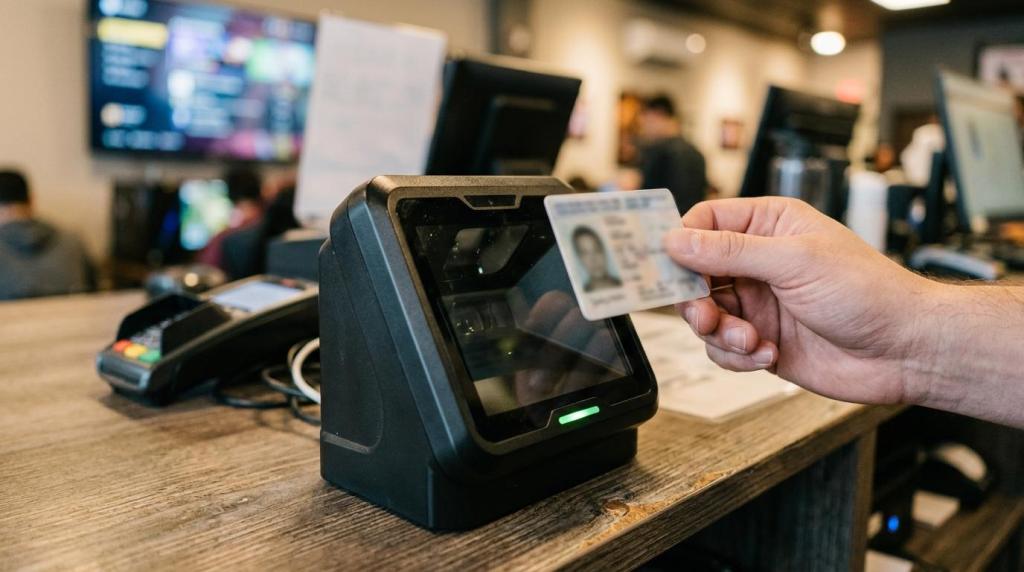
Age verification is not a side feature in gaming and sweepstakes operations. It is part of the foundation. For retail locations, kiosks, fish game rooms, internet cafes, and multi-store networks, the right system helps block underage access before it becomes a legal, financial, or operational problem.
A modern platform should do more than ask for a date of birth. It should support real account screening, secure data handling, clear audit trails, and practical workflows that staff can actually manage during a busy shift. That is where web-based age verification software stands out.
Age verification software for gaming and sweepstakes operations
For operators, the goal is simple: confirm eligibility early, reduce risk, and keep the customer experience efficient. In practice, that means verifying age during account creation or before first play, not waiting until a later step when disputes are harder to manage.
RiverSlot supports this approach with account-based controls, secure login practices, and integrated verification workflows that fit sweepstakes and promotional gaming environments. Publicly stated platform practices point to a clear standard: no verified account, no play. That model helps protect the business while giving staff a defined process to follow.
This matters across many business types. A smoke shop adding promotional games needs different day-to-day tools than a dedicated fish game room, yet both need the same basic protection: reliable age checks, account controls, and records that are easy to review.
After those basics are in place, the benefits become very practical:
- Fewer underage access attempts
- Stronger fraud prevention
- Cleaner player records
- Better staff consistency
- Easier multi-location oversight
How age verification software works during registration
The strongest age verification workflow begins at signup. A new player enters core account information, confirms date of birth, and completes any required identity steps before access is granted. If the information matches expected records, the account can move forward quickly. If something does not match, the system can hold or flag the account for review.
That process is especially useful in promotional gaming environments where speed matters. Staff should not need to improvise every time a customer creates an account. A structured workflow helps standardize decisions across shifts, locations, and teams.
In many cases, the software can automate the first level of screening. When extra validation is needed, an operator may request a government-issued ID or supporting documentation. That gives the business a hybrid model: fast automated checks for ordinary cases, with manual review available when details are incomplete or inconsistent.
Age verification also supports duplicate account control. If one person attempts to create multiple profiles, the system can compare identity details and flag suspicious activity. Public RiverSlot materials have highlighted a meaningful drop in duplicate accounts after ID checks were put in place, which shows how age and identity controls also help reduce promotional abuse.
Sometimes the best compliance step is the one that happens before the first game starts.
| Verification Step | What It Does | Why It Matters |
|---|---|---|
| DOB entry at signup | Captures declared age information | Creates the first eligibility screen |
| Identity data check | Compares player details for validation | Helps confirm the account belongs to a real person |
| Document review when needed | Supports cases with mismatches or risk flags | Adds a stronger layer of proof |
| Account approval or block | Allows verified users and stops unverified ones | Keeps access rules consistent |
| Ongoing account monitoring | Flags suspicious repeat signups or unusual behavior | Helps limit fraud after registration |
Age verification technology and security controls
Age verification software only works well when the security layer is strong. Personal details, ID information, and account records need to be protected in transit and in storage. RiverSlot’s public technology content points to standard protections like encrypted web traffic, hardened cloud infrastructure, and account security measures that reduce unauthorized access.
For operators, that creates two wins at once. The business gets a practical way to screen players, and the collected information is handled with the level of care expected in regulated or high-scrutiny environments. That is especially important for businesses operating across different states, regions, or distributor networks.
The technology stack often includes automated KYC tools, secure account controls, reporting logs, and optional manual review. RiverSlot has also discussed biometric login trends as part of the future direction for stronger identity checks, which speaks to where age verification systems are heading.
Key controls often include:
- Encrypted connections: Protect personal and verification data during transmission
- Account security: Support safer login access and help prevent unauthorized use
- Automated identity checks: Screen player details before access is granted
- Audit records: Keep track of actions, approvals, flags, and account events
- Manual review options: Allow staff to resolve edge cases without bypassing policy
Compliance support for retail gaming locations
Age verification rules are not identical everywhere. In the United States, requirements can vary by state and business model. In Europe, operators may also need to account for stricter identity rules, data handling expectations, and jurisdiction-specific gaming standards. That makes configurable compliance tools valuable.
RiverSlot is positioned as a software provider, not a law firm or licensing authority, so operators still need legal guidance for their own market. Even so, the software can support practical compliance work with age gates, configurable modes, geofencing tools, account restrictions, and reporting that helps document how access is controlled.
That flexibility matters because different locations face different pressures. A gas station kiosk may need a quick and simple age-screening process. A lounge or gaming room may need deeper account management and more detailed redemption controls. A distributor networks may need centralized visibility across multiple stores.
A strong compliance-ready platform should help operators manage:
- Age thresholds: Apply access rules based on business needs and local requirements
- Location controls: Restrict usage by geography when needed
- Verification records: Preserve useful logs for internal review and compliance support
- Operational consistency: Keep the same rules active across staff and locations
Why cloud-based age verification software is easier to operate
Older systems often depend on local servers, fragmented tools, or manual workarounds. That slows down launch, creates extra maintenance, and makes policy enforcement less consistent from one location to the next.
A cloud-based model changes that. RiverSlot’s platform is web-based, which means no special hardware or server buildout is required to get started. For many operators, that can shorten setup time dramatically and make account controls available much faster. Publicly stated platform benefits also include no setup or support fees, pay-only-used-credits pricing, and 24/7 customer support.
That simplicity has business value. Staff can access the tools they need, owners can review reporting without being tied to one machine, and distributors can manage multiple locations from a central environment. Age verification becomes part of the daily workflow instead of a separate, difficult process.
Age verification software with POS, kiosk, and player account integration
Age checks are most useful when they connect directly to the rest of the operation. If a verification result lives in one system and the player account lives in another, staff ends up doing extra work and errors become more likely.
RiverSlot combines gaming account tools with POS, redemption workflows, kiosk support, reporting, and player account management. That gives operators a more connected process from registration to play access to transaction review. If a player is not verified, access can be restricted before the account moves deeper into the system.
Integrated tools can support daily operations in ways that are easy to measure:
- Faster onboarding at the counter
- Cleaner player account histories
- Reduced duplicate signup abuse
- Better visibility across locations
- Less manual back-and-forth
Age verification software for single stores and multi-location networks
A single-store operator may only need one clear workflow and dependable support. A growing chain or distributor needs more. They need standardized rules, centralized oversight, and tools that stay consistent as new locations are added.
That is where scalable software becomes important. RiverSlot is built to serve both individual retail locations and larger networks, so age verification controls can grow with the business instead of being rebuilt later. Templates, configurable settings, cloud access, and multi-location management all help keep policy enforcement organized.
The result is a stronger operational model: one that protects the venue, supports staff, and keeps the customer entry process clear from the start.
For businesses that want age verification to be fast, defensible, and easier to manage, a web-based platform with integrated account controls offers a practical path forward. RiverSlot brings those tools together in a format built for real retail environments, from internet cafes and fish game rooms to smoke shops, convenience stores, bars, kiosks, and distributor networks.