


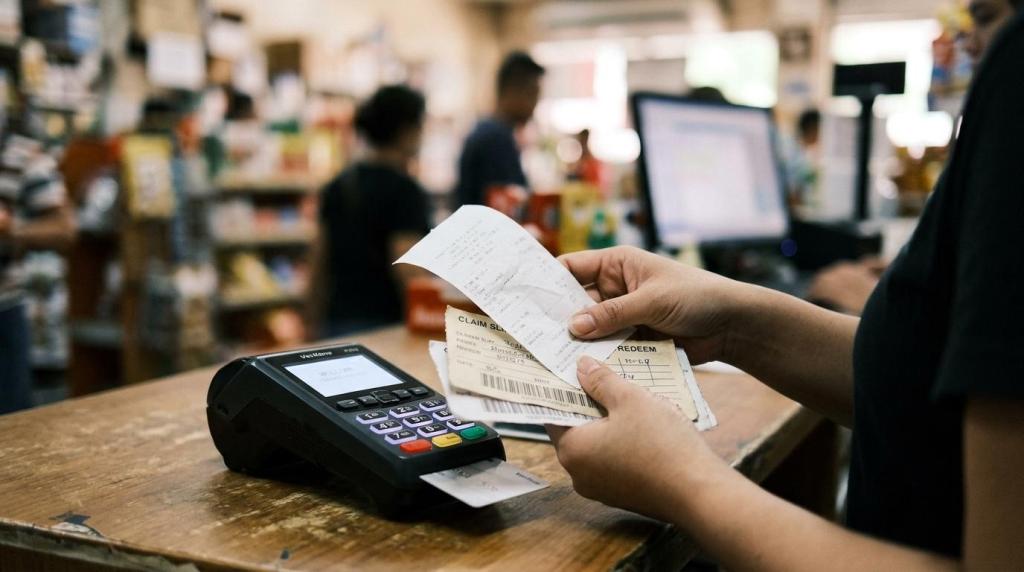
If you run an internet cafe, fish game room, smoke shop, gas station, bar, kiosk, or a small retail network, you may hear the phrase RiverSweeps-style software used as if everyone already knows what it means. In practice, it refers to a very specific software category built for physical retail sweepstakes operations.
That matters because this is not the same as a generic online giveaway tool, and it is not a standard online casino platform either. You need software that connects in-store promotions, POS workflows, player accounts, credits, redemptions, reporting, staff controls, and location settings in one operating system.
When people use this term, they are usually describing software that helps you run a promotional gaming model inside a real storefront.
RiverSweeps-style software definition for physical retail locations
RiverSweeps-style software is designed for brick-and-mortar businesses that offer promotional sweepstakes experiences tied to retail activity. The software supports the day-to-day tasks your staff actually performs: selling products or credits, opening and managing player accounts, applying promotions, tracking balances, redeeming winnings, printing receipts, and reviewing reports.
That is a very different setup from a simple marketing sweepstakes tool that only collects entries online. It is also different from a casino system, which follows a separate legal and technical framework. If your business depends on store-level transactions and customer-facing promotional play, you need software made for that environment.
Providers in this category, including RiverSlot, package those retail functions into a web-based platform so you can run game rooms, kiosks, and multi-location operations without building a custom system from scratch.
Core features in RiverSweeps-style sweepstakes software
The most useful way to think about this software is as an operating platform, not just a game library. The games may attract attention, but your business runs on controls, accounting, redemptions, and repeatable staff workflows.
Here is what that usually includes:
| Software component | What it handles in your store | Why it matters to you |
|---|---|---|
| POS workflows | Sales, credits, receipts, account funding | Keeps front-counter activity fast and consistent |
| Player accounts | Balances, session history, account status | Gives staff a clear record of customer activity |
| Promotions engine | Bonus rules, templates, triggered offers | Lets you build store-specific promotions |
| Redemptions tools | Prize and balance redemption workflows | Helps reduce confusion and disputes |
| Reporting dashboard | Sales, play data, staff activity, store metrics | Gives you visibility across shifts and locations |
| Staff permissions | Role-based access and approval controls | Reduces internal risk and keeps duties separated |
| Kiosk and device management | Terminal access, location setup, game availability | Supports self-service and supervised floor activity |
| Multi-location controls | Network-wide settings and distributor views | Helps you manage growth from one back office |
| Compliance-sensitive settings | Age gates, geofencing, configurable operating modes | Supports location-specific policies and restrictions |
A platform in this category should help you do more than launch promotional games. It should make your store easier to run every day, even during busy hours.
You should expect support for:
- credit sales
- account lookups
- receipt tracking
- redemption records
- shift reporting
- kiosk controls
Retail POS workflows and redemptions matter more than most owners expect
If you are comparing software options, one of the biggest mistakes is focusing only on the customer-facing screen. The front-end experience matters, but your profit and risk usually sit behind the counter.
A weak POS flow slows transactions, creates balance disputes, and makes staff training harder. A weak redemption process creates even bigger problems. You need a system that records what was sold, what promotional value was issued, what was played, and what was redeemed. You also need those records to be accessible when a customer has a question or when you want to review store performance.
This is where RiverSweeps-style software becomes valuable for B2B operators. It is built around repeatable store operations, not one-off promotions.
If you run more than one location, the need becomes even clearer. Standardized workflows help you train faster, compare stores, and spot unusual patterns before they become expensive.
Compliance requirements for retail sweepstakes promotions
Software can support compliant operations, but software alone does not make a promotion lawful. Your rules, disclosures, entry method, prize structure, advertising, and state-by-state setup still need attention.
Federal guidance is clear on one key point: a sweepstakes promotion in the United States cannot require a purchase or payment to enter. The Federal Trade Commission also notes that state laws may require disclosures, licensing, or bonding, depending on the promotion. If your operation uses phone-based marketing, extra disclosures may apply, including odds of winning and how someone can participate without buying anything.
That means your software should help you implement compliant procedures rather than forcing workarounds that your staff will ignore.
A strong operating checklist includes:
- No purchase necessary: Your promotion structure should include a lawful free method of entry where required.
- Posted rules: Customers should be able to access clear promotional rules before participating.
- Prize disclosures: Your announced prize values, terms, and limits should match what you advertise.
- Accurate marketing: You should not imply guaranteed winnings or misstate who has won.
- Channel controls: Mail, phone, kiosk, and in-store promotions can trigger different disclosure needs.
Posted rules are also part of the picture. That is the kind of requirement that affects planning, scheduling, and promotion setup, not just legal review.
You do not need software that pretends these issues do not exist. You need software that gives you the settings and reporting structure to support your compliance process.
Florida game promotion rules retail owners should know
Florida is a useful example because it gives you a concrete look at how a retail promotion can trigger specific obligations. Under Florida law, a game promotion can include a contest, game of chance, sweepstakes, or gift enterprise run by a retailer in connection with the sale of consumer products or services and involving chance and prize.
Florida also makes it unlawful to require an entry fee, payment, or proof of purchase as a condition of entering a game promotion. So if you operate in Florida, your promotion design cannot rely on purchase-only entry.
There is another operational point that many owners miss. If the total announced prize value is more than $5,000, Florida requires a copy of the rules and a list of prizes to be filed at least seven days before the promotion starts. Posted rules are also part of the picture. That is the kind of requirement that affects planning, scheduling, and promotion setup, not just legal review.
You do not need software that pretends these issues do not exist. You need software that gives you the settings and reporting structure to support your compliance process.
Why web-based sweepstakes software works well for store operators
For many retail owners, web-based deployment is one of the strongest advantages in this category. You can launch faster, reduce hardware dependency, and manage stores without maintaining local servers at each location.
That makes a real difference when you are opening a new room, adding kiosks, or standardizing multiple stores. You want central access to templates, promotions, staff roles, reporting, and location controls. You also want to avoid expensive downtime tied to on-site infrastructure.
A web-based platform can also make support easier. If settings need to be updated, if a promotion needs to be changed, or if a staff account needs to be adjusted, those tasks can often be handled from a central admin environment rather than through a patchwork of local fixes.
For distributor networks and multi-store operators, that central visibility is not optional. It is how you keep consistency across the business.
Multi-location reporting and distributor management features
Growth changes what you need from software. A single-store owner may be focused on speed at the counter. A multi-location operator needs speed and control.
That usually means dashboards that let you compare location performance, review staff activity, monitor redemptions, manage kiosk access, and apply location-specific rules from one place. If you work with distributors or franchise-like structures, you may also need segmented permissions so each party sees only the data they should see.
This is where broad retail software often falls short. It may handle sales, but not promotional play. Or it may handle promotions, but not store accounting. RiverSweeps-style software exists because physical sweepstakes operations need both.
Look for practical network controls:
- Location views: Store-by-store and network-wide reporting in the same system
- Role permissions: Different access for owners, managers, cashiers, and partners
- Promotion templates: Repeatable offers that can be deployed across selected stores
- Audit trails: Clear records for sales, credits, and redemption activity
- Remote management: Changes made without touching every terminal manually
Questions to ask before choosing RiverSweeps-style software
When you compare vendors, keep the conversation grounded in operations. Ask how the platform handles a full retail day, from the first sale to the last redemption, not just how the games look on screen.
You should also ask how the system supports your compliance process. A provider should not dodge that topic. They should be able to explain what their software can control, what it can document, and what still needs to be handled through your rules, procedures, and legal review.
Use questions like these during demos:
- POS depth: Can your staff sell, fund, adjust, and redeem through one clear workflow?
- Player account controls: Can you track balances, history, and status at the account level?
- Location settings: Can you apply age gates, geofencing, or other location-based restrictions?
- Reporting quality: Can you see sales, credits, redemptions, and staff activity without exporting everything manually?
- Scalability: Can the platform support one store today and multiple locations later?
- Deployment model: Is it web-based, and can it run without special on-site server hardware?
If a provider cannot answer those questions clearly, you are probably looking at a tool that was not built for real retail sweepstakes operations.
The right platform should help you run a cleaner business, train staff faster, control risk better, and give customers a consistent in-store experience. That is what owners are usually looking for when they ask about RiverSweeps-style software. It is not just software for games. It is software for operating the retail model behind them.