


If you run a retail sweepstakes operation, your software choice shapes almost everything that happens next: how fast you open, how easily you add locations, how often staff need help, and how clearly you can see revenue and player activity.
That is why cloud software keeps pulling ahead.
For internet cafes, fish game rooms, smoke and vape shops, gas stations, convenience stores, bars, kiosks, and distributor networks, the real question is no longer whether cloud is modern. The real question is whether local, server-heavy software still makes sense when you need speed, flexibility, remote access, and tighter control across one store or many.
Cloud sweepstakes software removes the limits of local systems
Traditional sweepstakes software often starts with a simple promise: install it locally, keep it in-house, and run everything from one machine or one site. That setup can work in a very small environment with stable traffic and no need for broader oversight.
But once your business grows, those same local systems can start slowing you down.
You may need manual updates. You may need extra hardware. You may need on-site troubleshooting for issues that should never require a visit. If you operate more than one location, you may also end up managing a patchwork of devices, versions, and reporting gaps.
Cloud software changes that operating model. Instead of tying your business to a local server, it gives you a web-based system that can be managed centrally, accessed remotely, and updated without venue-by-venue disruption. That is a major advantage when you care about uptime, speed to launch, and visibility across locations.
A cloud-first setup usually helps you move away from these common bottlenecks:
- Local server maintenance
- Site-by-site updates
- Delayed reporting
- Hardware overbuying
- Limited remote access
- Slow multi-location expansion
That shift matters because your software should support growth, not make growth harder.
Faster launch and easier scaling with cloud software
One of the biggest reasons operators choose cloud software is simple: it gets you live faster.
When your platform is web-based, you usually do not need special servers, complex installs, or a long setup project. You can often use existing devices, connect your location more quickly, and start operating without building a full IT stack inside the store.
That speed is not just convenient. It has direct business value. A faster launch means you can open sooner, test promotions sooner, train staff sooner, and begin generating revenue sooner.
Scaling gets easier too. With traditional software, growth often means buying more hardware, planning capacity in advance, and dealing with technical work each time demand rises. Cloud software is better suited for variable traffic, new locations, seasonal swings, and distributor-led expansion.
If your business model includes kiosks, counter sales, player accounts, redemptions, or play-at-home extensions, scalability becomes even more important. You need a platform that can grow with real demand, not one that forces you to guess your future usage months ahead.
Cloud software supports multi-location sweepstakes management
Multi-location control is where cloud software usually becomes the clear winner.
If you manage several stores, or you support operators across a distributor network, you need more than software that runs games. You need software that helps you run the business behind the games.
That includes real-time reporting, staff controls, location oversight, promotion management, and the ability to see what is happening without being physically present in every venue. Cloud systems are built for that kind of centralized management.
With a web-based platform, you can review location performance, monitor account activity, track redemptions, and manage operational settings from one connected environment. That is a major upgrade from relying on local machines that hold isolated data or require manual retrieval.
Here is how the two models typically compare:
| Business need | Cloud software | Traditional local software |
|---|---|---|
| Launch speed | Fast web-based deployment | Longer install and setup process |
| Multi-location visibility | Centralized dashboards and remote access | Often fragmented by store |
| Updates | Automatic or centrally managed | Manual and location-specific |
| Hardware burden | Low | Higher |
| Reporting | Real-time or near real-time | Often delayed or manual |
| Scaling | Easier to add users, devices, or stores | Usually requires added infrastructure |
| Remote management | Strong | Limited |
| Ongoing maintenance | Lower operational burden | Higher hands-on upkeep |
This is especially relevant in B2B environments where each minute spent fixing avoidable software issues is time not spent improving revenue, promotions, or customer experience.
Real-time reporting and cloud analytics improve business decisions
Good software should not just process transactions. It should help you make better decisions.
Cloud software gives you a stronger reporting foundation because data can be gathered and reviewed centrally. That means you can spot trends faster, respond to slowdowns sooner, and adjust promotions based on real results instead of waiting for end-of-day summaries or manual exports.
If you are running promotions across several locations, timing matters. If one offer is working at one site and underperforming at another, you want that information quickly. If redemption behavior changes, if staff activity needs review, or if one location starts outperforming the rest, you want to see it while you still have time to act on it.
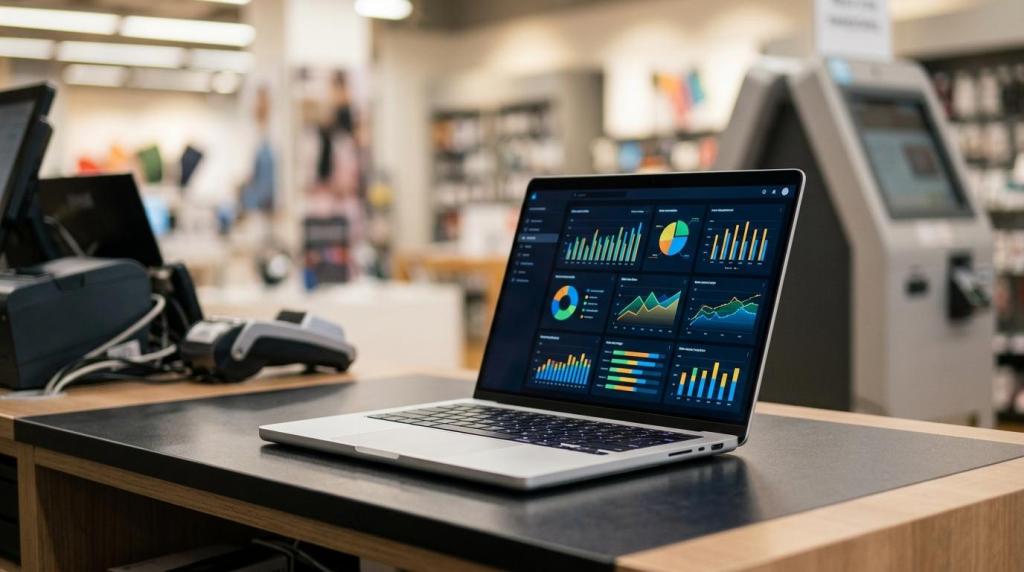
A cloud platform is better suited to that kind of live operational view. It can support dashboards, remote checks, and centralized performance tracking without forcing every location to function like its own isolated island.
When you review software options, pay attention to reporting strengths like these:
- Live dashboards: See location activity as it happens
- Account visibility: Track player balances, redemptions, and usage patterns
- Promotion tracking: Measure which offers drive repeat visits
- Operator controls: Manage permissions and monitor staff workflows
- Network reporting: Compare stores across a broader distributor footprint
For many operators, this is where software stops being just a tool and starts becoming a control center.
Cloud sweepstakes software reduces maintenance and update friction
Every operator wants more uptime and fewer service interruptions. Cloud software supports both by reducing the number of moving parts you need to maintain on-site.
Local systems often depend on hardware that ages, breaks, or falls behind. Updates may require scheduling, technician involvement, or location-by-location patching. That creates lag, inconsistency, and unnecessary risk.
Cloud software simplifies much of that. Updates can be managed centrally. New features can roll out faster. Compatibility is easier to maintain across devices. Your staff can stay focused on operating the business rather than babysitting software.
This also matters for your customer-facing experience. If games, promotions, kiosk functions, or POS workflows need regular improvement, you want a platform that can stay current without repeated operational disruption.
A strong cloud model usually gives you practical gains like:
- Less dependence on local servers
- Fewer manual software updates
- Better version consistency across locations
- Faster support response
- Easier rollout of promotions and new features
That lower maintenance burden becomes even more valuable when you run lean teams or oversee multiple sites.
Cloud security and compliance tools give you a stronger foundation
Security and compliance are often misunderstood in software discussions.
Cloud software does not remove your responsibility. You still need sound user permissions, good operating practices, and attention to the rules that apply in your jurisdiction. But cloud delivery can give you a stronger starting point than a fully local setup managed with limited in-house resources.
Major cloud environments are built around resilient infrastructure, controlled access models, centralized monitoring, and structured update practices. For a sweepstakes business, that creates a better base for account protection, operational oversight, and data visibility.
Compliance is also easier to support when your system includes tools like age gates, location controls, configurable operating modes, and better audit visibility. Those features do not replace legal review, but they can help you manage your processes more consistently.
When you assess a vendor, ask direct questions about these areas:
- Access controls: Who can change settings, approve redemptions, or view reports?
- Compliance features: Are age verification, geofencing, and configurable rules available?
- Support coverage: Can you get help when stores are open, not just during office hours?
- Update process: How are security fixes and software changes delivered?
- Data visibility: Can you review what happened across stores without waiting for manual reports?
If you serve retail locations in different jurisdictions, these questions are not optional. They are part of operating responsibly.
Cloud software improves the economics of growth
The financial case for cloud software is often stronger than the technical case, especially if you are thinking like an operator.
Traditional systems can bring upfront hardware costs, ongoing maintenance costs, upgrade costs, and hidden labor costs. Even when the software license looks reasonable, the total cost of ownership can climb once you factor in downtime, support needs, replacement hardware, and slower expansion.
Cloud software changes that cost structure. Instead of investing heavily in infrastructure before demand appears, you can adopt a model that is better matched to actual usage. That improves flexibility and lowers the risk of overbuilding.
For growing businesses, that matters a lot. You may want to test a new location, add a kiosk, launch promotions across more stores, or support remote play options without taking on a large technical project each time.
In practical terms, cloud software tends to help you control costs in these areas:
- Hardware purchases
- Deployment time
- IT labor
- Upgrade projects
- Downtime exposure
A usage-based model can be especially attractive in promotional gaming environments where traffic changes by season, campaign, and location performance.
Cloud software fits modern retail sweepstakes operations
Retail sweepstakes businesses are not standing still. Customers expect faster service. Operators want more control. Distributor networks want visibility across locations. Staff need simple tools. Owners need systems that can work across POS, kiosks, redemptions, reporting, and account management without turning every store into a tech project.
That is exactly where cloud software fits best.
A web-based platform can support physical retail operations while also extending beyond the counter. It can connect in-store activity with remote management, cross-device access, and broader operational reporting. It can help you launch quickly, standardize processes, and keep your business flexible as conditions change.
For operators comparing options today, the strongest case for cloud software is not hype. It is execution.
You get faster deployment, easier scaling, stronger reporting, reduced maintenance, and better support for modern retail workflows. If your goal is to run a tighter, more profitable operation with less friction, cloud software is no longer the alternative. It is the smarter default.
What to look for in cloud sweepstakes software vendors
Not every cloud platform is equal, so your vendor checklist should focus on business outcomes, not just feature volume.
Look for a provider that can support quick deployment, remote reporting, kiosk and POS workflows, player account management, customizable promotions, and multi-location oversight. Strong support coverage matters too, especially if your stores operate beyond standard business hours.
A serious B2B platform should also make expansion easier. If you add locations, devices, or operator roles, the software should keep pace without forcing a complete rebuild of your setup.
The most useful vendor traits usually include:
- Quick setup
- No server maintenance
- 24/7 support
- Custom promotions
- Multi-location tools
- Cross-device access
- Compliance controls
- Flexible redemption workflows
If a platform can help you launch quickly and manage growth without added complexity, you are looking at the right kind of cloud software.