


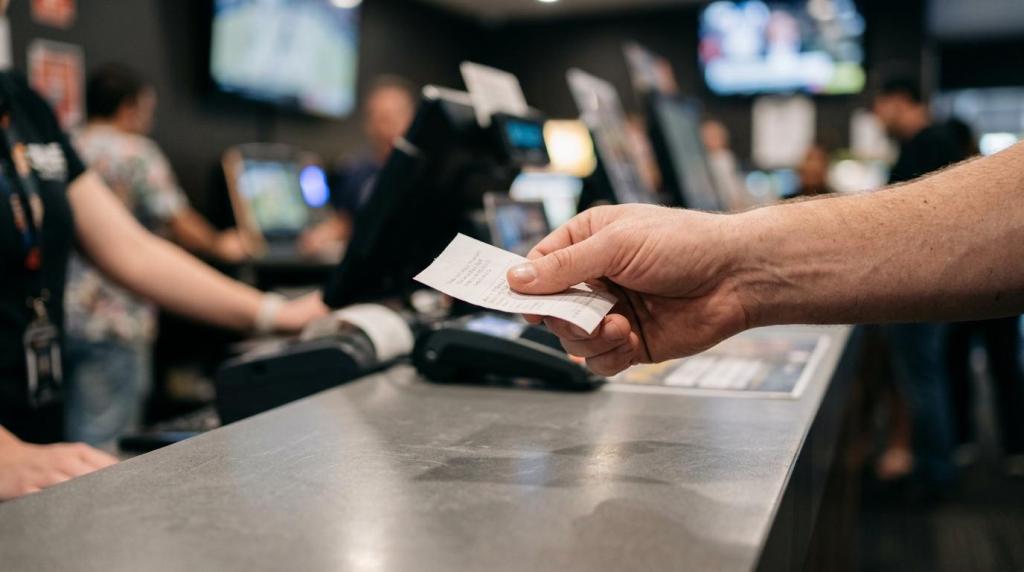
If you run a sweepstakes café, fish game room, kiosk setup, or another retail gaming location, repeat visits are not a bonus metric. They are the core of steady revenue. A first visit gets attention. A second, third, and fifth visit build a real business.
That is where player tracking software starts to matter.
Used well, it gives you more than a player list or a record of transactions. It shows you patterns. You can see who returns often, who drops off after one visit, which promotions bring people back, and where your staff may be missing chances to re-engage players. Instead of guessing what keeps customers interested, you can act on data that comes from actual behavior at your location.
For B2B operators, this matters even more because your software is not just a marketing tool. It is part of your POS actions, your player account management, your redemption process, and your reporting. When those pieces connect, repeat visits become easier to drive and easier to measure.
Why player tracking software increases repeat visits
Player tracking software helps you move from broad promotions to behavior-based action. That shift changes how your business grows. A generic promotion may attract short-term traffic, but a tailored offer tied to purchase amount, play frequency, or time since the last visit is much more likely to bring the right player back.
This works because repeat visits are usually driven by timing and relevance. If a player visits every Friday, your system should help you recognize that pattern. If another player tends to buy at a certain level, your promotions should reflect that. If someone has not returned in a week, your outreach should be different from what you send to a daily visitor.
You also gain consistency. Staff members can vary in how they remember regulars, explain promotions, or handle redemptions. Software keeps those actions organized. That leads to a better player experience, and better experiences lead to more return traffic.
Which player tracking data helps you drive repeat visits
Not every data point matters equally. You do not need more noise. You need signals that tell you when to act and what to offer.
The strongest signals usually come from transaction and session behavior. Purchase amount helps you identify value levels. Play frequency shows who is building a habit. Time since last visit helps you spot drop-off before it turns into churn. Redemption activity can show whether a player is staying engaged or cashing out and disappearing.
A useful platform should let you connect those signals to promotions, outreach, and reporting instead of leaving them in separate screens.
| Player signal | What it tells you | Best business use |
|---|---|---|
| Purchase amount | How much value a player typically brings per visit | Match offers to spend level |
| Play frequency | How often a player comes back | Reward consistency and reinforce habits |
| Session activity | How active the player is during each visit | Spot strong engagement or fading interest |
| Redemption behavior | When players cash out and how often | Time bounceback offers more effectively |
| Days since last visit | Whether a player is active or slipping away | Trigger reactivation campaigns |
| Promotion response | Which offers get action | Improve future campaigns and reduce waste |
When you have this view, your promotions stop being random. You can build offers around real behavior instead of broad assumptions.
How player tracking software supports personalized promotions
Personalized promotions are one of the clearest ways player tracking lifts repeat visits. When a system can tie offers to player actions, you get better results than you would with a blanket giveaway.
That might mean rewarding frequent visitors with a loyalty-style bonus, encouraging a second visit with a bounceback offer, or sending a return reminder to players who have been inactive for a few days. The software is doing the heavy lifting behind the scenes by identifying who should receive what and when.
This does not mean overcomplicating your program. In fact, the best setups are usually simple. A player gets an offer that feels timely and relevant. The result is that your location stays top of mind, and the next visit feels like a continuation instead of a brand-new decision.
After you put a basic structure in place, the most effective promotion types usually include:
- Bounceback offers: Rewards tied to a return visit after an earlier session
- Frequency bonuses: Incentives for players who visit on a regular pattern
- New-player match offers
- Daily return mechanics
- Cashback-style re-engagement
- Purchase-based rewards: Promotions triggered by spend level instead of a one-size-fits-all amount
These tools are especially useful in physical retail environments because you are trying to shape behavior around a location, not just an online login. A return visit means foot traffic, staff interaction, and another full opportunity to generate revenue.
Real-time player tracking software improves the on-site experience
Repeat visits do not come only from promotions. They also come from operational stability.
If a terminal is down, credits are not updating properly, redemptions are slow, or sessions are hard to manage, players notice. Even a small amount of friction can break a habit before it forms. That is why real-time monitoring matters so much in player tracking software.
When you can see active sessions, credit activity, terminal performance, and unusual issues as they happen, you can respond faster. That protects the player experience. It also helps your staff work with confidence because they are not trying to piece together what happened after the fact.
In practice, smoother operations support repeat visits in a few direct ways:
- Faster issue resolution
- Cleaner redemption flow
- Better staff response times
- Fewer interrupted sessions
For multi-location operators, real-time visibility becomes even more valuable. It lets you keep service standards more consistent across stores, kiosks, or distributor-managed sites. A player who visits one location and then another should get a familiar, reliable experience.
Player tracking software helps you identify drop-off points
Many operators focus on active players and ignore the players who are quietly slipping away. That is costly.
Player tracking software helps you catch those drop-off points early. A player who used to come twice a week and now has not visited in ten days is sending a signal. A player who redeems and never returns after that redemption is sending another. A player who responds to one kind of promotion but ignores another is telling you what works.
Without tracking, those patterns are easy to miss. With tracking, you can put structure around reactivation. You can create rules for when outreach happens, what type of incentive is sent, and which players should be prioritized first.
That lets you stop treating retention as a vague goal and start treating it as an operating process.
Which KPIs show whether repeat visits are actually improving
If you want player tracking software to produce real value, you need KPIs that connect directly to repeat behavior. Revenue alone will not tell you enough. You need to know whether players are returning more often, returning sooner, and responding to the offers you send.
A strong reporting setup should give you a clean picture of repeat visits by date range, location, promotion type, and player segment. That makes it easier to see what is working and where your next adjustment should happen.
The most useful repeat-visit KPIs often include:
- Visit frequency: Average number of visits per player in a set period
- Return rate: Percentage of players who come back after a first visit
- Days between visits: How long it takes players to return
- Promo redemption rate
- Reactivation rate
- Offer lift: The change in repeat behavior after a targeted promotion
These metrics help you make smarter decisions about staffing, bonus structure, outreach timing, and location-level strategy. They also help you avoid over-rewarding players who would have returned anyway.
What to look for in player tracking software for retail gaming locations
Not all systems are built for physical retail operations. If your business depends on in-store play, kiosk usage, redemptions, and staff-led workflows, your software must do more than track basic account activity.
You need a platform that connects player accounts, POS actions, promotions, reporting, and operational monitoring in one web-based environment. That matters because repeat visits are affected by every part of the experience, not just the bonus engine. If your staff has to move between disconnected tools, delays and mistakes follow.
For many operators, the best fit will include cloud-based access, fast setup, and no need for special hardware or local servers. That lowers friction when you launch a new location, add terminals, or scale across multiple sites. It also gives you cleaner oversight if you manage several stores or work with distributor networks.
You should also look for built-in controls that help you run the business more responsibly and consistently. Those can include tools like age gates, geofencing, configurable operating modes, and permission-based access for staff. In a category where compliance and location rules can vary, those features support stable long-term operation.
How multi-location operators use player tracking software more effectively
If you run more than one location, your biggest advantage is shared visibility. A single-site operator can often spot patterns by feel. A multi-location operator needs system-wide reporting.
With the right player tracking software, you can compare visit behavior across stores, see which promotions work in which markets, and identify whether a drop in return visits is tied to one location, one staff process, or one type of offer. That gives you control at a level that manual methods cannot match.
It also opens up stronger player continuity. When accounts, promotions, and redemption history carry across locations, the player experience becomes more consistent. That can be a major driver of loyalty, especially for customers who visit different stores within the same network.
A strong multi-location setup should give you:
- Centralized dashboards
- Shared reporting standards
- Location-level promotion controls
- Cross-store player visibility
- Distributor-friendly oversight tools
That kind of structure supports growth without forcing you to sacrifice day-to-day visibility.
Player tracking software should make action easier, not just data deeper
The best systems do not bury you in reports. They help you act faster.
You should be able to see who is active, who is fading, which offers are working, and where operations need attention. Then you should be able to launch the next promotion, adjust the next campaign, or correct the next issue without adding complexity to your team’s day.
That is the real value behind player tracking software. It turns repeat visits from something you hope for into something you can build, measure, and improve week after week. When your software ties together player behavior, promotions, POS activity, and real-time reporting, your location becomes easier to manage and much easier to grow.