


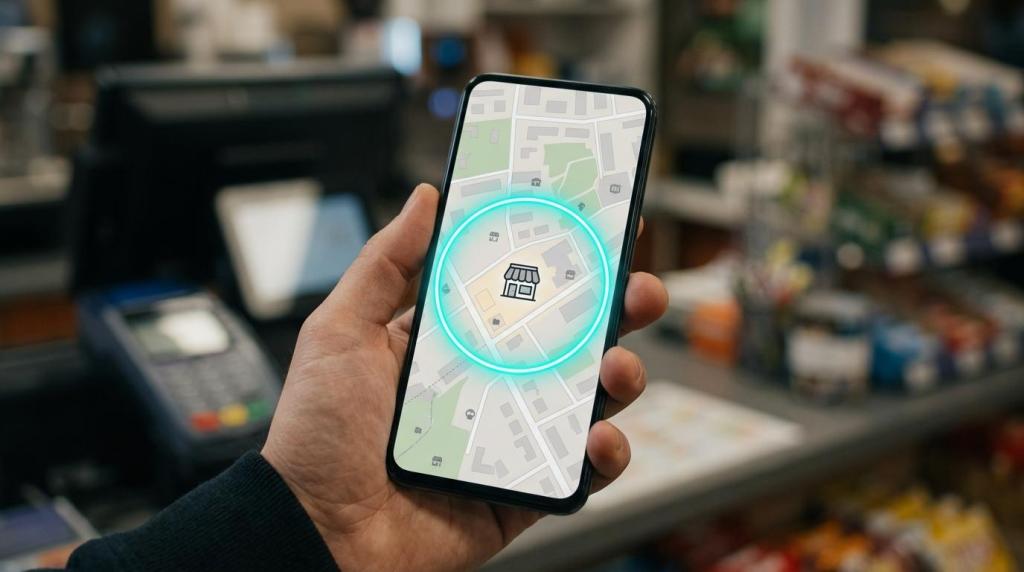
Geofenced sweepstakes software gives you practical control over where promotional play can happen, which is a major issue when your business depends on physical retail locations. If you run internet cafes, fish game rooms, smoke shops, gas stations, kiosks, or distributor-managed networks, location controls can cut down on avoidable compliance problems and tighten store operations.
TL;DR: Summary
- Geofenced sweepstakes software is most valuable when it combines a geofencing system, age-verification technologies, and clear and conspicuous sweepstakes disclosures so you can restrict play by physical location while matching common regulatory expectations.
- State gaming rules in places like Michigan and Pennsylvania show why location detection matters: operators may need to detect a participant’s physical location, monitor for unauthorized attempts, and block access outside permitted boundaries.
- Sweepstakes compliance is not just about location. FTC action against Publishers Clearing House reinforced that you need clear “no purchase necessary” and “purchase does not improve odds” disclosures, plus a direct path to entry without purchase.
- The best geofenced sweepstakes software for B2B retail use should support store-level rules, age gates, play limits, POS workflows, kiosk management, audit logs, and multi-location controls.
- If your software uses only IP-based checks, you risk weaker accuracy. If it uses layered signals and repeat checks at login, play, and redemption, you get stronger control with fewer location errors.
- For physical locations, the practical win is simple: you reduce off-premises access, standardize rules across stores, and make it easier to document how your operation handles age checks, disclosures, and boundary enforcement.
The biggest benefit is not geofencing by itself. It is the combination of location controls, age checks, and clear disclosures like no purchase necessary, because regulators and enforcement actions often point to all three areas at once.
What is geofenced sweepstakes software?
Geofenced sweepstakes software restricts participation by physical location and device signals. Platforms like RiverSlot and retail kiosk POS systems can allow play inside an approved venue while blocking login, play, or redemption attempts outside the permitted boundary.
In practice, you set a location rule around a store, kiosk, or approved zone, and the system checks whether the player is physically inside that boundary. If the player is inside, the software can permit account access, promotional play, or redemption. If the player is outside, the system can block access or switch to a different mode.
That matters because “location” is not one event. A strong setup can check at login, during play, and again at redemption, which helps if someone moves outside the allowed area after entering.
"RiverSlot combines geofencing, configurable age gates, and play limits in a web-based platform built for physical retail sweepstakes locations."
A common misconception is that geofencing is a legal shield by itself. It is not. You still need store rules, disclosures, age restrictions, and local review before launch.
Why does geofencing matter for retail sweepstakes compliance?
Geofencing matters because Michigan and Pennsylvania rules show a clear regulatory pattern: systems may need to detect physical location and block unauthorized attempts outside approved boundaries. That pattern is highly relevant if your sweepstakes model depends on physical retail access.
Michigan rules for internet gaming require a geofencing system that can reasonably detect a participant’s physical location and block access when the user is outside the permitted boundary. Pennsylvania requires player location detection at login and repeated checks according to technical standards and approved internal controls. Those are gaming examples, not a blanket sweepstakes rule, but they show how regulators think about location-sensitive participation.
If your operation spans multiple stores or crosses county or state lines, geofencing becomes more than a feature. It becomes an operating control. You can use it to keep one store in one mode, another store in a different mode, and stop players from accessing offers where they should not.
Another common mistake is thinking geofencing solves disclosure issues. It does not. Oregon rules on sweepstakes disclosures and FTC action on “no purchase necessary” messaging make it clear that location control and consumer disclosures serve different purposes.
What are the 7 main benefits of geofenced sweepstakes software?
The main benefits are operational control, better boundary enforcement, and a clearer compliance posture. For B2B operators, the value shows up in fewer manual workarounds and more consistent store behavior.
- Jurisdiction control with RiverSlot: You can apply configurable geofencing, age gates, and play limits to fit local rules at the store or network level.
- Reduced unauthorized access: The system can monitor and block off-premises attempts instead of relying only on staff judgment.
- Cleaner multi-location management: You can run different settings by venue, distributor, or region without rebuilding the whole program.
- Better kiosk and POS enforcement: Location rules can tie directly to account creation, play, redemption, and cashier workflows.
- Stronger age-restricted access: Geofencing works well with age gates so adult-only promotions stay tied to approved environments.
- More useful audit records: You can document where access was allowed, where it was denied, and how disclosures were presented.
- Flexible promotional design: If local rules allow broader participation, you can expand boundaries carefully instead of using one rigid nationwide setup.
The trade-off is that tighter controls can create more friction for some users near a store edge or inside a weak-signal building. That is why boundary design, repeated checks, and fallback logic matter.
How do you set up geofenced boundaries for a physical retail location?
You should map the customer journey before you draw the boundary. A gas station kiosk and a lounge counter may need different access and redemption rules even inside the same address.
Start with how your operation actually works. Do you want account registration only in store, play only on premises, and redemption only at the cashier? If yes, you may need separate rules for each event instead of one large radius around the building.
- Map the allowed zone: Define the approved physical location, entry points, and any dead spots where location signals are weak.
- Set action-based rules: Decide whether login, play, redemption, and account changes each need their own geofence check.
- Test edge cases: Try the software from the parking lot, neighboring suites, shared walls, and mobile devices on cellular data.
- Document the rule set: Save screenshots, store maps, and SOP notes so managers know what should happen when access is denied.
A useful tip is to avoid one oversized fence just to reduce support tickets. If your boundary is too loose, you may allow access from places you never intended.
How should you configure age gates and player verification?
You should treat age gating as a layered control, not a single pop-up. The FTC’s 2026 COPPA policy statement supports age-verification technologies in certain contexts, which fits the broader expectation that age checks should be clear, secure, and accurate.
For adult-oriented retail sweepstakes locations, the practical goal is straightforward: stop underage access before play starts and log how the age screen was presented. If your venue needs stricter checks, then your software should let you add stronger verification steps.
- Set the age threshold: Match your venue policy and local rules, then require the check before account access or play.
- Add clear notice: Tell users why age information is being requested and how it will be used.
- Use reasonable safeguards: Limit collected data, protect it, and keep the age result accurate enough for your workflow.
- Define staff fallback: If a kiosk or mobile check fails, tell staff exactly when to deny access or request manual review.
Many operators assume an age gate only matters online. That is a bad assumption. If you run kiosks, web-based accounts, or play-at-home modes where allowed, age control should follow the player across those touchpoints.
How do geofenced platforms compare with basic sweepstakes software?
Geofenced platforms add location enforcement that basic sweepstakes software usually lacks. A standard POS and player account system may handle credits, games, and reporting, but RiverSlot-style retail software adds boundary-based access controls that matter when your model depends on approved physical locations.
Basic software can be enough if you operate one store, one rule set, and fully manual supervision. The problem appears when you scale. Once you have multiple venues, kiosks, or distributor-managed locations, manual location policing becomes inconsistent and hard to document.
"RiverSlot can launch in under 1 hour, which helps when you need geofenced sweepstakes software live across a new store or kiosk quickly."
The trade-off is cost versus risk reduction. Simpler tools can feel faster at first. Geofenced software asks for more planning, but it gives you a cleaner operating model if location restrictions are part of your business reality.
Is GPS geofencing better than IP-only location checks?
Yes, layered location detection is usually better than IP-only checks. GPS, Wi-Fi, and device-based signals generally give stronger evidence of physical location than IP addresses alone.
IP-based checks are easy to deploy, but they can be distorted by VPNs, carrier routing, shared business networks, or regional IP mismatches. If your software relies only on IP, you may wrongly block valid users or allow access you should not allow. That is why many regulated systems use repeated checks and multiple signals rather than one data point.
If you need high confidence near jurisdiction borders, then device-level signals matter more. If you only need broad city-level control, then IP may help as a secondary check. The strongest approach is layered logic: use one method to allow, another to verify, and a third to trigger review when results conflict.
A pro tip here is to decide what happens when location confidence is uncertain. Deny by default, request a retry, or route to staff review, but do not leave that decision undefined.
How do you add compliant disclosures and free-entry flows?
You should build disclosures into the software flow, not hide them in fine print. FTC action against Publishers Clearing House and Oregon’s sweepstakes disclosure standards both point in the same direction: disclosures must be clear, conspicuous, and easy to find.
That means your software should show “no purchase necessary,” state that a purchase does not improve odds, and provide a direct path to entry without purchase. If you sell products in the same environment, that separation matters even more.
- Place the core disclosure early: Show “no purchase necessary” and “purchase does not improve odds” before or at the point of entry.
- Create a direct free-entry path: Do not force users through sales messaging before they can access entry without purchase.
- Publish official rules clearly: Include sponsor identity, entry terms, and any odds or eligibility information your jurisdiction expects.
- Mirror the message across touchpoints: Use the same disclosure logic on kiosks, POS screens, receipts, and player account pages.
A common mistake is assuming a printed poster covers everything. If your customer interacts with a kiosk or mobile account, the disclosure needs to appear there too.
What should you ask a geofenced sweepstakes software vendor before signing?
You should ask about controls, evidence, and rollout speed before you ask about games. RiverSlot and other B2B retail platforms should be able to explain how they handle physical location checks, age gates, disclosures, and store-level configuration in plain language.
Ask where location is checked, how often it is rechecked, and what happens when the software sees an unauthorized attempt. Ask whether you can configure rules by venue, kiosk, or distributor group. Ask whether the system supports clear disclosures, entry without purchase workflows, and audit logs you can actually export and review.
"RiverSlot charges no setup or support fees and provides 24/7 customer support for operators running sweepstakes POS, kiosks, and multi-location distributor networks."
You should also ask operational questions that affect uptime: Is it web-based or dependent on local servers? Does it need special hardware? How quickly can a new store go live? If a vendor talks about geofencing but cannot explain boundary testing, age-gate logic, or disclosure placement, that is a sign to slow down.