


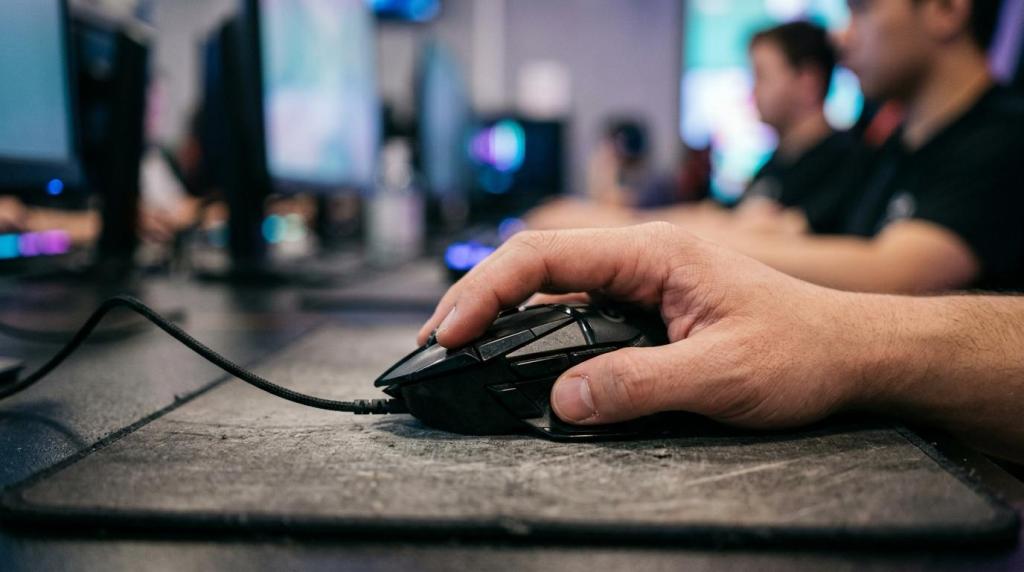
If you want players to stay longer in your internet cafe, the best internet cafe games are usually social, easy to enter, and fresh enough to reward repeat visits. Retention is rarely about one “hot” title alone. It comes from a game mix that reduces friction, creates conversation, and gives regulars a reason to come back tomorrow.
TL;DR: Summary
- The best internet cafe games for longer player sessions are social, multiplayer-style, easy-to-start titles and promotional game formats that are refreshed often.
- Research on MMORPGs and multiplayer play shows people tend to spend more time in social game environments than in isolated solo formats, though operators should pair retention tactics with responsible-play controls.
- A useful benchmark is session length: global mobile gaming averaged 30.75 minutes in 2024, while some multiplayer genres commonly run 35 to 50 minutes, showing why structured replay loops and social interaction matter.
- For B2B operators, the strongest setup combines game variety, player accounts, redemptions, reporting, and kiosk or POS integration so you can measure dwell time, repeat play, and revenue per visit.
- Platforms like RiverSlot matter because they pair retention tools with operations tools, including 70+ games, monthly additions, player account management, reporting, and multi-location controls.
- If your catalog feels static, confusing, or hard to access, players usually leave sooner. If your game mix is simple, familiar, and updated regularly, session time and repeat visits are better positioned to improve.
The practical question is not just which games are popular. It is which game categories fit your foot traffic, your device setup, your staff workflow, and your compliance standards. If you choose with retention in mind, you can turn a basic game menu into a repeat-visit system.
Why do some internet cafe games keep players longer than others?
Social game design keeps people engaged longer because interaction adds a second layer of value beyond the game itself. PubMed research on MMORPGs and Frontiers in Psychiatry both point to communication, cooperation, guilds, and online social capital as strong engagement drivers.
For you as an operator, that means retention is not only about graphics or prize structure. It is about what happens between players. If a game sparks conversation, side-by-side play, friendly rivalry, or shared watching, you are extending the visit without forcing it. A common mistake is assuming longer sessions come only from harder games. In many locations, lower-friction games with social energy outperform complex games that intimidate casual users.
How does session length help you evaluate internet cafe games?
Session length is one of the clearest operating metrics because it connects game choice to time-on-site. Statista reports average global mobile game session length at 30.75 minutes in 2024, with North America at 24.76 minutes, giving you a realistic baseline for attention span.
If your average player exits far below that range, your issue may be friction, not demand. If your sessions are longer but spend per visit is weak, your issue may be monetization structure, not catalog quality. Pro tip: do not judge a game only by first-day revenue. A title that improves repeat visitation and dwell time can produce stronger weekly results than a fast-burn novelty game.
“RiverSlot includes 70+ games and adds new games every month, which gives operators a concrete way to fight catalog fatigue.”
What are the 8 internet cafe games that keep players longer?
The strongest categories are the ones that combine replayability, fast onboarding, and social momentum. If you are building for retention, these eight game types are the most reliable starting point.
After you review the list, match each category to your audience, device count, and staff capacity. A smoke shop kiosk setup may need a different mix than a lounge or dedicated fish game room.
- RiverSlot web-based promotional game libraries: A broad catalog with player accounts, redemptions, and frequent content updates helps you test retention without rebuilding your floor setup.
- Fish game formats: These are familiar in many retail environments and often hold attention through visible action, shared watching, and easy replay loops.
- Multiplayer arcade-style games: Fast rounds and spectator appeal help create line-of-sight excitement in busy stores.
- MMORPG-inspired social games: Social bonds, cooperation, and progression systems are proven engagement drivers, though they require careful fit for your audience.
- Battle royale-style competitive games: These attract players who like session-based tension and can support longer visits when controls stay accessible.
- Cooperative mission games: Team objectives work well when your customer base arrives in pairs or small groups.
- Creative mode or sandbox games: A 2022 PMC field study found creative mode produced the highest average total playing time among tested multiplayer modes.
- Tournament-friendly leaderboard games: When players can compare results, you create return behavior even from short individual rounds.
A common misconception is that “longer” means “slower.” In practice, many high-retention games are quick to start and quick to replay. The stickiness comes from loops, competition, and social visibility.
Are social and multiplayer internet cafe games better than solo games?
Yes, social and multiplayer formats usually have a retention advantage over solo games. PubMed found participants assigned to MMORPGs reported more hours spent playing than those assigned to arcade, console, or solo computer games over one month.
That does not mean every social title is right for your store. Complexity can block adoption. But if two games offer similar earning potential, the one with communication, cooperation, rivalry, or audience appeal will often keep people onsite longer. If your location serves groups, multiplayer should be a core category. If your traffic is mostly solo drop-ins, you still want games with visible action and quick community learning.
“RiverSlot supports promotional games, player accounts, redemptions, reporting, kiosk management, and multi-location tools, so game retention can be measured in an operating system, not guessed.”
How should you choose internet cafe games for your location step by step?
You should choose games by matching player behavior to operational reality. The right game for a bar or lounge may fail in a gas station or convenience store.
Start with your customer pattern, then narrow by friction, then validate by reporting. That order keeps you from overbuying trends that do not fit your traffic.
- Map your traffic: Note whether most visits are solo, paired, or group-based, and whether average stop time is under 10 minutes or closer to 30.
- Sort games by friction: Favor titles with fast onboarding, obvious controls, and visible progress if you serve walk-in retail traffic.
- Track retention signals: Use player accounts, session data, redemptions, and repeat visits to keep winners and remove underperformers.
If your staff spends too much time explaining a game, your retention cost is rising. If a title gets immediate repeat play with little coaching, it is usually a stronger fit.
Which game features matter most for player retention?
The most important retention features are replay loops, social visibility, progression, and low setup friction. Frontiers highlights communication, cooperation, belonging, and social support in MMORPG-style play, while the PMC study shows multiplayer modes sustain substantial interaction during play time.
Look for these features in practice:
- Fast entry: Minimal explanation, familiar controls, short time to first action
- Visible progress: Points, levels, unlocks, streaks, or milestone feedback
- Social hooks: Competition, shared screens, side-by-side play, or audience appeal
- Repeat incentives: Daily variety, fresh promotions, rotating content, or leaderboards
Pro tip: a game can have deep mechanics and still fail if players cannot understand the first 60 seconds. Retention starts at onboarding, not at advanced strategy.
How do fish games compare with arcade, MMORPG, and battle royale formats?
fish games generally win on accessibility, while MMORPG and battle royale formats can win on time depth. Arcade games often win on ease and turnover. Each category solves a different retention problem.
If your store depends on casual walk-ins, fish games and arcade-style titles are often easier to convert. If your audience enjoys longer sessions and social identity, MMORPG-style systems have stronger long-tail retention logic. Battle royale and similar competitive formats can hold attention well, but only if controls and pacing fit your audience. Statista notes MOBA-type experiences struggled on mobile partly because complexity and typical 35 to 50 minute matches raised the barrier to entry.
That trade-off matters. If the game is too simple, you may get trial without loyalty. If it is too complex, you may get interest without adoption.
How can you test which internet cafe games actually extend dwell time?
You should test games in controlled rotations, not by instinct. A simple A/B-style operating method is often enough to expose which categories improve session length and repeat visits.
Run the test long enough to clear novelty bias. One weekend is rarely enough. Two to four weeks is more useful for B2B decision-making in retail environments.
- Pick one variable: Change the game mix, not the location layout, promotion, and staffing all at once.
- Measure three outcomes: Session length, repeat visits, and revenue per active player.
- Rotate and compare: Keep one stable control group of games while rotating one category at a time.
If a new title lifts initial spend but reduces repeat play, it may not be a real winner. If it slightly lowers first-session spend but raises visit frequency, it may be stronger over the month.
“RiverSlot is cloud-based, requires no servers or special hardware, and can launch in under 1 hour, which lowers the friction of running controlled game tests.”
Should you prioritize game variety or fewer proven winners?
You should usually prioritize a curated variety around proven winners. Too little variety creates fatigue. Too much variety creates choice paralysis and weak operational focus.
RiverSlot’s 70+ games and monthly additions illustrate the value of breadth, but breadth only works when you manage it. A common misconception is that “more games” always means “more retention.” In practice, you want a stable core of reliable titles plus a smaller rotating set for freshness. If your regulars complain that everything feels the same, add rotation. If new players look confused, simplify the front menu.
This is where content strategy meets operations. Variety without reporting is guesswork. Variety with player account data becomes useful merchandising.
How do you refresh your internet cafe game catalog without hurting consistency?
You should refresh in planned cycles while protecting the titles your regulars already trust. The goal is novelty without disorientation.
Use refresh windows that your staff can support. Monthly updates are often easier to communicate than constant daily changes, especially in physical retail.
- Protect the core: Keep your top-performing games available consistently.
- Add a rotation lane: Introduce a limited set of new or seasonal titles on a schedule.
- Communicate clearly: Use simple on-screen labels, staff prompts, and player account messaging so repeat visitors know what changed.
If players cannot tell what is new, freshness has little value. If too much changes at once, loyalty can drop because familiarity disappears.
What operational tools help internet cafe games perform better?
The best retention stack includes more than games. You need player accounts, redemptions, Reporting, POS support, kiosk management, and controls that fit single-store or multi-location operations.
Here is why these tools matter in B2B terms. Player accounts let you see whether dwell time becomes repeat behavior. Redemptions connect play to real operational flow. Reporting helps you compare titles across shifts and locations. Kiosk and POS integration reduce staff friction. If you run multiple sites, distributor or network-level controls make performance more consistent across the estate.
This is also where web-based delivery becomes practical. If you do not need local servers or special hardware, you can roll out changes faster and spend less time on floor-side troubleshooting.
How do compliance and responsible-play controls affect game retention strategy?
Compliance controls protect your business and support sustainable retention. RiverSlot’s age gates, geofencing, and configurable modes are relevant because retention only helps if your operating model remains manageable and defensible.
There is a real trade-off here. The same social features that increase engagement can also intensify usage. PubMed and Frontiers both point to stronger play involvement in social game contexts, along with risks tied to overuse and interference. That does not mean avoid social games. It means your retention strategy should include boundaries. If your market or location type requires tighter controls, then choose game formats and settings that balance accessibility with oversight.
For operators, the practical rule is simple: if a tactic increases session time, it should also be measurable, configurable, and supportable by your staff.
When should you update your internet cafe game strategy?
You should update your strategy when your repeat visits flatten, your session length falls below category expectations, or your regulars stop reacting to new content. Static menus lose power over time, even when the games were strong at launch.
A healthy rhythm is to review performance weekly, refresh selected content monthly, and reassess your core mix quarterly. If you run one store, that process keeps your offer current. If you run several locations, it helps you see whether one market prefers fish games, another prefers competitive play, and another responds best to fast promotional formats with simple onboarding. That is where internet cafe games stop being a catalog choice and become a retention system you can manage.