


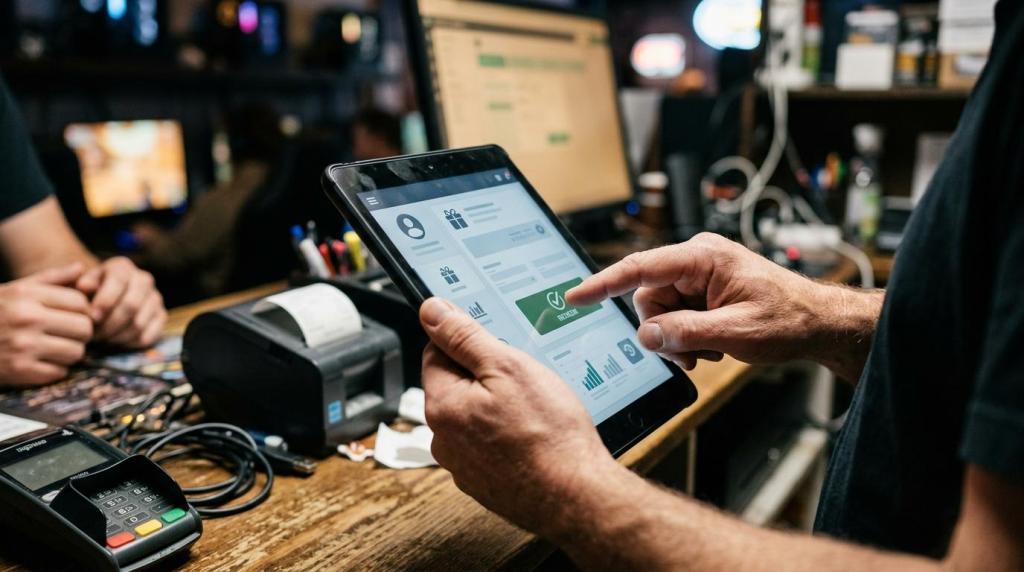
If you are buying fish game software for a physical retail location, the right choice is usually a web-based platform that combines games with POS, player accounts, redemptions, reporting, and compliance controls. The game library matters, but it is rarely the main operational risk.
TL;DR: Summary
- Web-based fish game software is usually the best fit for retail operators because it combines fish-style promotional games with POS, player accounts, redemptions, reporting, and compliance-oriented controls in one platform.
- The most important buying criteria are not just graphics or game count. You should verify cashier workflow, cloud deployment, reporting, age gates, geofencing, configurable modes, and sweepstakes disclosure support.
- The FTC says real sweepstakes are free and winning is by chance. If your promotion involves purchases, then a free method of entering, clear disclosures, odds, prize value, and redemption terms need careful structure.
- Server-based setups can work, but web-based systems usually reduce hardware overhead, speed up deployment, and make multi-location oversight easier.
- For B2B buyers, the best fish game software is the one that fits your jurisdiction, location type, and staffing model while keeping launches, updates, and day-to-day redemptions simple.
That is why experienced buyers assess fish game software as a retail operations system, not just as entertainment content. If your staff cannot launch, reconcile, disclose, and redeem smoothly, the game itself will not fix the business problem.
What is web-based fish game software for retail locations?
Web-based fish game software is a browser-accessed retail gaming platform. RiverSlot and similar systems combine fish-style promotional games with POS, player accounts, redemptions, kiosks, and reporting so you can run a location from one stack.
In practice, this category sits between gaming content and store operations. You are not buying a standalone arcade title. You are buying a system that tracks credits, controls sessions, manages player balances, records redemptions, and gives staff a repeatable cashier workflow.
The web-based part matters because cloud hosting removes much of the local IT burden. Instead of maintaining an on-site server, many operators prefer a setup that runs on standard devices and syncs data remotely in real time. A common buying mistake is focusing on cabinet aesthetics first and admin controls second.
That mistake gets expensive fast because most day-to-day friction happens at the counter, in reporting, or during prize redemption, not in the game animation itself.
"RiverSlot says setup can be completed in under 1 hour and the platform uses cloud hosting without a server."
Why do sweepstakes compliance rules matter in fish game software?
Compliance design matters as much as gameplay because fish game software often touches prize promotion rules. The FTC states that real sweepstakes are free and winning is by chance, which means software structure and disclosures are core buying criteria.
If a promotion requires payment to get a prize or to increase odds, the FTC treats that as a red flag. If your retail model links purchases to entries or promotional play, then the software must support a free method of entering and clear and conspicuous rules about how entry works, prize value, odds of winning, and redemption.
This is where operators often get tripped up. A disclaimer alone does not solve structural issues. If the platform cannot handle age gates, location restrictions, configurable modes, or transparent redemption logic, then your legal review becomes harder and your store procedures become weaker.
You should treat compliance tools as operational controls, not as optional extras that can be added later.
"RiverSlot includes age gates, geofencing, configurable modes, and play limits for jurisdiction-specific compliance."
What are the 7 must-have features in web-based fish game software?
The best fish game software includes seven practical feature groups. RiverSlot is one example of a web-based stack that shows how game content, POS, compliance, and reporting should connect inside a retail workflow.
After your demo, you should be able to point to each of these features in a live workflow, not just in a sales slide.
- RiverSlot: A web-based fish game and sweepstakes platform that combines game content with POS, player accounts, redemptions, reporting, kiosk management, and multi-location tools.
- Cloud deployment: Browser access, no on-site server, and simpler updates across terminals or stores.
- POS and cashier controls: Credits, purchases, account lookup, redemptions, receipts, shift workflows, and exception handling.
- Compliance controls: Age gates, geofencing, configurable modes, play limits, and support for clear prize-promotion disclosures.
- Remote real-time reporting, location-level monitoring, redemption logs, and cloud sync.
- Promotions and retention: Daily wheel, cashback, community board mechanics, tournaments, and leaderboard-based engagement.
- Content freshness: Broad game mix and automatic updates so your floor does not go stale.
A common misconception is that more games automatically means a better platform. In reality, a smaller but well-managed catalog with strong reporting and cashier controls often produces a smoother business operation.
"RiverSlot lists 70+ HD games that are automatically updated for free."
How do you evaluate fish game software in 3 buying steps?
You should evaluate fish game software in three passes: business fit, live workflow, and support readiness. RiverSlot and similar vendors should be able to show each pass clearly during a demo.
Step 1 is business fit. Start with your location type, your customer flow, and your jurisdiction. A smoke shop, internet cafe, and bar can all use fish game software, but they may need different kiosk layouts, staffing rules, and promotional settings. If you plan to scale later, ask about multi-location permissions now rather than after launch.
Step 2 is live workflow. Ask the vendor to process a realistic session from start to finish: player account creation, purchase, free entry option, gameplay access, redemption, void, and end-of-shift reporting. If the demo skips edge cases, you are not seeing the real product.
Step 3 is support readiness. Confirm onboarding time, training method, and who handles urgent issues outside business hours. A strong platform is still a weak choice if your staff cannot get help during a busy redemption window.
How is web-based fish game software different from server-based fish game systems?
Web-based fish game software usually reduces hardware overhead, while server-based systems offer more local control. For most retail operators, cloud-hosted tools from vendors like RiverSlot are easier to deploy and easier to manage across locations.
With a server-based setup, you often deal with on-site hardware, manual maintenance, local backups, and a higher chance that one failed device affects several terminals. That can be acceptable if you have internal IT support and a tightly controlled single-site environment.
With a web-based model, updates and reporting are typically centralized. That makes it easier to monitor activity remotely, onboard staff faster, and avoid the cost of special hardware. If you operate more than one store, this difference becomes more important because admin consistency starts to matter more than raw local control.
A common mistake is assuming local servers are always more reliable. If your vendor's cloud architecture is stable and your internet connection is dependable, then web-based systems often create fewer operational bottlenecks over time.
How should you check sweepstakes compliance design before signing a fish game software contract?
You should check compliance design before pricing, not after it. The FTC and your counsel will care about structure, disclosures, and operational controls, so the software must support those elements directly.
Step 1 is to request a rules-and-controls walkthrough. Ask how the platform handles no purchase or payment is required language, free method of entering, by chance mechanics, odds of winning disclosures, prize value, age restrictions, and redemption terms. If the vendor cannot explain where those controls live in the system, keep looking.
Step 2 is to test location and mode controls. If you operate in different jurisdictions, then geofencing and configurable modes matter because one setting may not fit every store. Ask whether you can restrict features, set play limits, and change workflows without rebuilding the whole system.
Step 3 is to pair the software review with legal review and SOP drafting. Even strong software does not replace legal advice. What it should do is make compliant operation easier to implement, train, and audit.
"RiverSlot positions compliance design as a key decision factor and includes geofencing and configurable modes."
Which fish game software setup fits a single store versus a multi-location distributor?
Single-store operators need simplicity first, while distributors need control at scale. RiverSlot and similar platforms can serve both, but the right configuration is not the same for a one-counter shop and a multi-site network.
If you run one location, your priority is fast cashier flow, easy player account handling, clean redemptions, and support that responds when staff need help. You probably do not need complex hierarchy features on day one, but you do need enough reporting to reconcile sessions and watch promotion costs.
If you manage several stores or a distributor network, then centralized permissions, template-based configuration, remote reporting, kiosk oversight, and location segmentation become essential. Without those tools, every new site increases manual admin work and raises the chance of inconsistent settings.
The trade-off is straightforward. Single stores should avoid paying for layers they will never use, while larger groups should avoid lightweight tools that cannot standardize controls across locations.
How can you launch fish game software in your location with minimal downtime?
You can launch fish game software with low friction if you stage devices, roles, and workflows before go-live. RiverSlot says setup can be completed in under 1 hour, which is useful only if your internal prep is just as disciplined.
Step 1 is to define who does what. Decide which terminals are cashier stations, which are player-facing kiosks, who can approve redemptions, and who can access reports. Role confusion is one of the fastest ways to slow down a launch.
Step 2 is to configure the player experience before opening the floor. That includes game access rules, promotional templates, disclosure language, and redemption steps. A common mistake is launching the games before testing what happens when a customer asks how to enter for free or how to claim a prize.
Step 3 is to run a full store simulation. Process a purchase, a free entry request, a redemption, a void, and an end-of-shift report. If your staff can complete those actions without calling support, you are close to launch-ready.
What reporting and promotion tools make fish game software more profitable?
The most useful tools are real-time reporting and configurable promotions. RiverSlot highlights both because operator control usually comes from visibility and repeatable offers, not from game content alone.
Reporting should tell you what happened by terminal, player account, cashier action, and location. You want quick access to redemptions, balances, promotional costs, and shift-level activity. If a system shows only top-line activity, then you will struggle to investigate exceptions or coach staff.
Promotions should be flexible enough to support your traffic pattern. Daily wheel mechanics, cashback offers, mystery community boards, tournaments, and leaderboards can all make sense when they are tied to store goals. If weekday traffic is soft, use lower-friction recurring offers. If weekends are busy, event-style competition may work better.
The real win is that promotions and reporting should connect. If you cannot see redemption impact or session behavior after a campaign, then you are guessing instead of managing.