


Fraud is not a side issue in a sweepstakes business. It touches revenue, staff time, customer trust, payment processing, and your ability to scale from one location to many.
If you run an internet cafe, fish game room, smoke shop, gas station, lounge, or kiosk network, you need software that helps you spot abuse early and respond fast. The strongest setup is not built around one big security promise. It is built around layers: identity checks, transaction visibility, location controls, staff accountability, and reporting you can act on the same day.
Sweepstakes fraud prevention starts with real-time visibility
You cannot stop what you cannot see. In sweepstakes operations, fraud rarely shows up as one dramatic event. It usually appears as a pattern: repeat signups, suspicious redemptions, strange payment behavior, or staff activity that does not match store traffic.
That is why visibility matters as much as blocking power. When your software gives you live transaction history, account activity, redemption records, and location-level reporting, you can catch small losses before they turn into a recurring drain on the business.
This matters even more in retail environments where cash handling, kiosk access, and walk-in traffic all mix together. A good fraud program is not limited to online account checks. It also covers what happens at the counter, at the machine, and across shifts.
After you have visibility, common warning signs become much easier to spot:
- Duplicate player accounts
- Rapid in-and-out redemptions
- Repeated chargebacks
- Shared devices or repeated IP patterns
- Unusual late-night cashier activity
- Mismatched identity data: account details that do not line up with player records
- Promotion abuse: the same user trying to claim the same offer through multiple profiles
- Cash leakage: payout totals that do not match expected activity
Common sweepstakes fraud risks in retail locations
Retail operators face a wider mix of fraud than many people expect. You are not only dealing with fake accounts or bad card activity. You are also managing insider risk, redemption abuse, and location-specific behavior that can be missed if your tools are too basic.
Multi-account abuse remains one of the most common problems. A player creates several accounts to collect the same promotion more than once, work around limits, or move activity between profiles. Payment fraud and chargebacks also hit hard, especially when processors see unusual activity. On top of that, account takeover, bot-driven signup attempts, and insider theft can quietly erode margin.
The table below shows the fraud types that most often affect sweepstakes software in retail settings and the controls you should expect from a modern platform.
| Fraud risk | How it hurts your business | Software controls to look for |
|---|---|---|
| Multi-account abuse | Promotional loss, unfair play, distorted reports | ID checks, duplicate detection, device and session review |
| Payment fraud | Chargebacks, processor pressure, direct losses | Secure payment links, payment monitoring, transaction alerts |
| Account takeover | Stolen balances, unauthorized play, support burden | Login monitoring, suspicious behavior flags, step-up verification |
| Bot activity | Fake signups, promo abuse at scale, noise in reports | Velocity controls, signup monitoring, abnormal pattern detection |
| Insider theft or cash leakage | Missing funds, weak audits, staff disputes | POS controls, payout reports, user-level permissions, audit trails |
| Compliance bypass | Underage or out-of-area play, legal exposure | Age gates, geofencing, play limits, configurable operating modes |
Core sweepstakes software controls that reduce fraud
The best fraud prevention setup combines player verification, transaction review, and store-level oversight. If one layer misses something, another layer should catch it.
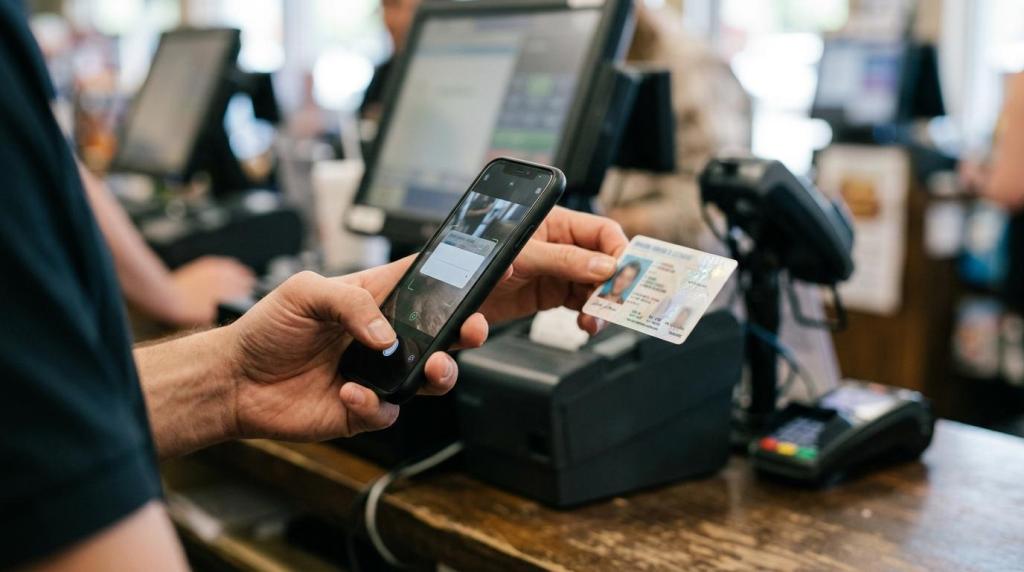
Identity checks are usually the first line of defense. If your software requires verified accounts before meaningful play or redemptions, you cut down on duplicate signups and reduce abuse tied to fake or recycled profiles. Publicly available RiverSlot materials describe this kind of approach and point to ID checks as a key control.
Transaction monitoring is the next layer. You want software that flags unusual deposits, repeated cash-out behavior, abrupt play pattern changes, and suspicious redemptions. Real-time reporting matters here because delayed reviews often mean delayed losses.
Cashier and location controls are just as important. A fraud program is weak if it only watches players and ignores store operations. Permission-based access, recorded payout activity, audit-ready reports, and location-by-location visibility help you catch internal issues before they become routine.
You should expect your software to support controls like these:
- ID verification: stop duplicate or unverified accounts before they start causing losses
- Suspicious-account flagging: alert your team when behavior changes fast or patterns look off
- Secure payment flows: reduce chargeback exposure and spot risky transactions early
- Age gates and geofencing: limit play where it should not happen
- Play limits and configurable modes: set operating rules that match your business model
- Audit reporting: review payouts, redemptions, and cashier activity without digging through spreadsheets
Why layered sweepstakes fraud controls beat one-time checks
One-time checks help, but they are not enough on their own.
A bad actor can pass an initial screen and still become a problem later through account sharing, redemption abuse, or unusual payment behavior. That is why the strongest systems watch the full account lifecycle, not just the first login or the first transaction.
For you, this means your fraud settings should work across onboarding, play, redemption, and reporting. If your software only does one piece well, you still have gaps.
Balancing sweepstakes fraud prevention with customer flow
You do not want a fraud strategy that slows down every honest player. You want one that applies more pressure only when risk rises.
That is the value of a risk-based model. Low-risk users move through normal account steps quickly. Higher-risk activity triggers extra checks, manual review, or temporary holds. This protects the business without turning every session into a hassle for staff or customers.
In practice, this can be simple. A new account with consistent data and normal activity may need only basic verification. An account that starts switching devices, redeeming at odd times, or triggering repeated payment issues should face tighter review.
This balance matters for B2B operators because staff time is expensive. Every false alarm creates extra work at the counter. Every missed alert creates direct loss.
RiverSlot features that support sweepstakes fraud prevention
If you are evaluating RiverSlot for a retail sweepstakes operation, the public feature set points to a practical layered model. RiverSlot describes tools like suspicious-account flagging, secure payment links, real-time reporting, age gates, geofencing, play limits, kiosk management, and remote access to activity history.
That combination supports two important goals at once: fraud control and daily operations. You are not buying a separate fraud console that sits outside the business. You are putting fraud visibility inside the same system that handles promotions, POS activity, player accounts, redemptions, and reporting.
RiverSlot also publicly emphasizes cloud-based deployment, which matters more than many operators realize. When you do not depend on local servers or special hardware, it becomes easier to monitor activity across stores, review issues from anywhere, and standardize controls for a multi-location network.
One public RiverSlot example claims that an operator reduced duplicate accounts by more than 70% after ID checks were introduced. That is encouraging, though you should still evaluate results in your own environment and ask for a live walkthrough of the controls that matter most to your store model.
Questions to ask when evaluating sweepstakes fraud prevention software
A vendor may say it offers fraud prevention, but that phrase can mean almost anything. You need specifics.
Ask direct questions about what the system can flag automatically, what your staff can review in real time, and how quickly you can act on suspicious behavior across one store or a distributor network.
Use questions like these during demos and vendor calls:
- What triggers an alert: duplicate data, odd redemptions, payment risk, location mismatch, or all of the above?
- What can staff review immediately: account history, cashier actions, payout records, and machine activity?
- How are duplicate accounts handled: blocked automatically, flagged for review, or only shown in reports?
- What location controls are built in: age gates, geofencing, play limits, and operating modes?
- What happens after a suspicious event: hold, manual review, internal note, account restriction, or exportable report?
- How does the system scale: one store, several stores, and distributor-level oversight from the same platform?
Building a fraud response process for one store or many locations
Software matters, but process matters too. Even the best alerts lose value if nobody owns the response. Your team needs a clear path from detection to review to action.
Start with a simple operating model. Decide who reviews alerts, who approves payouts above a threshold, how often drawers and redemption records are audited, and what triggers account restrictions. Keep the process short enough that your staff will actually follow it on busy days.
If you manage multiple locations, standardize the basics so every store works from the same playbook.
- Review suspicious accounts daily
- Audit payouts and cash drawers on a fixed schedule
- Compare promotion redemptions against player history
- Restrict staff permissions by role
- Document repeat fraud patterns and train every location on them
You do not need a massive security department to run a tighter operation. You need software that shows you what matters, a team that knows what to do next, and controls that fit the pace of retail.
That is where a web-based platform can give you an edge. When fraud prevention, POS activity, player accounts, kiosks, redemptions, and reporting live in one place, you can move faster, tighten weak points, and protect revenue without slowing your business down.