


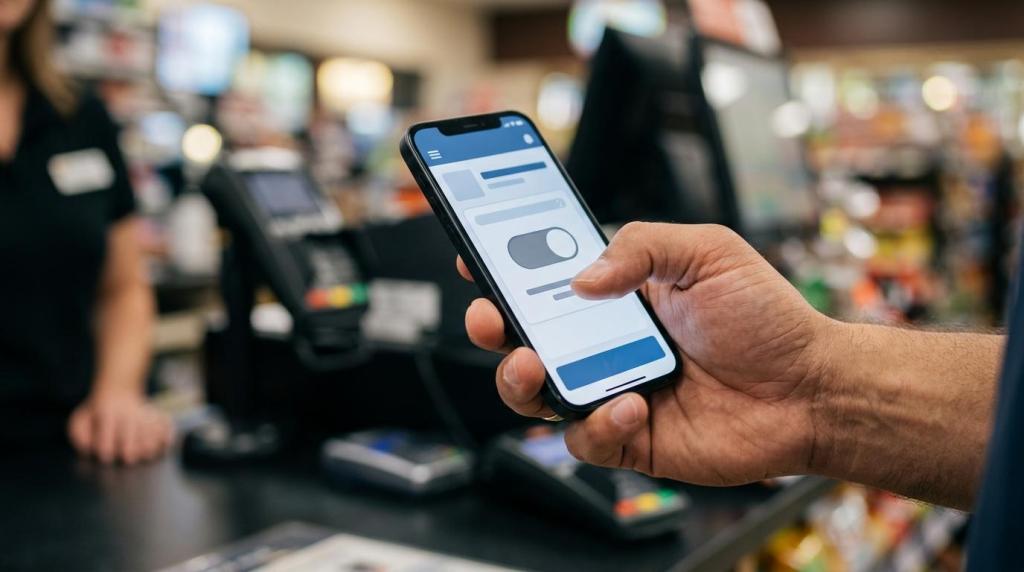
Physical retail stores do not have to stop earning when the doors close. If you run a sweepstakes cafe, fish game room, smoke shop, gas station, convenience store, bar, lounge, or kiosk operation, you already know that customer attention is your most valuable asset. The question is how long you can keep that attention connected to your store.
That is where online sweepstakes with play-at-home access changes the business model.
Instead of treating in-store play as a one-time visit, you can turn it into an ongoing customer relationship. A player opens an account at your location, uses that same account across devices, and stays tied to your store for purchases, promotions, and redemptions. You keep the local retail relationship, while your customers keep the flexibility they now expect.
Why online sweepstakes play-at-home revenue matters for retail stores
A store-only model has a built-in limit. You earn when customers are physically present, when staff is available, and when store hours allow it. That model can still work well, but it leaves money on the table during every quiet shift, every late night, and every hour after closing.
Play-at-home access expands your earning window without forcing you to open more locations or add more labor. You are not just adding a feature. You are increasing the number of moments when a customer can engage with your brand and your promotions.
That shift also changes customer behavior. A player who can continue from home is more likely to stay active, return to your location, respond to bounceback offers, and keep your store top of mind.
After a few weeks of active use, the value becomes clear:
- After-hours earning
- Longer customer lifecycle
- Store-linked redemptions
- More reasons to return
- Better use of promotions
How online sweepstakes play-at-home systems work in physical retail
The strongest retail model keeps the store at the center of the account. A customer visits your location, gets set up by staff or at a kiosk, and receives a player account that works on supported devices. Once that account exists, the customer can continue playing away from the store while staying connected to the originating location.
That matters because you are not sending traffic away from your business. You are extending your business past the four walls of the store.
In a well-built system, account balances, promotions, purchase history, reporting, and redemption controls all sit inside one web-based platform. That means your team does not have to manage a separate online business with separate tools. You are still operating one customer system, one reporting environment, and one retail relationship.
Here is the difference in practical terms:
| Retail model | Revenue window | Customer engagement | Store control |
|---|---|---|---|
| In-store only | Limited to business hours and physical visits | Ends when customer leaves | Strong local control, limited reach |
| In-store + play-at-home | Extends beyond store hours | Continues across devices and days | Strong local control with wider earning opportunity |
| Multi-location with play-at-home | Shared across store network | Stronger retention and repeat activity | Centralized reporting and promotion management |
For single stores, this can create steady added income from the same customer base. For multi-location groups and distributors, it creates a much stronger operating structure because promotions, performance, and player activity can be managed across the network.
Online sweepstakes features that increase player retention and revenue
Play-at-home revenue does not come from access alone. It comes from the tools inside the system that keep customers engaged after the first visit.
The best platforms combine account continuity, promotional flexibility, and simple retail operations. You want customers to feel connected to your store, and you want staff to handle setup, sales, and redemptions without extra friction.
When those pieces work together, the store gains a repeatable sales engine instead of relying on chance foot traffic.
A strong feature set usually includes:
- Single account continuity: your customer uses one player account across in-store and at-home sessions
- Configurable bonuses: you can run match offers, bounceback credits, cashback, or custom promotions by purchase amount or visit frequency
- Daily return tools: recurring rewards help keep players active over multiple days
- SMS and promotional outreach: your staff can trigger return visits with targeted messages tied to store activity
- Store-level reporting: you can review performance by location, player, transaction type, or employee activity
These features matter because retention is where margins improve. It usually costs less to reactivate a known customer than to bring in a brand-new one. If your system gives you daily engagement tools, promotion templates, and quick account access, you gain more control over repeat revenue.
A store owner can use this in very practical ways. A smoke shop might offer a first-visit match bonus to move customers into the account system. A gas station might use quick purchase promotions and kiosk access to increase repeat stops. A lounge might build longer session value with community-style rewards and ongoing incentives tied to the same account.
Online sweepstakes compliance controls for retail operators
Revenue matters, but controlled revenue is the goal.
Online sweepstakes for retail locations must be managed with care because laws and operating rules vary by state, market, and local enforcement climate. You need software that supports compliant operations, and you also need your own legal review before launch or expansion.
That means your platform should give you tools that help you set boundaries instead of leaving your business exposed. Good software makes those controls part of day-to-day operations, not an afterthought.
You should expect operational controls like these:
- Age gates
- Geofencing
- Play limits
- Redemption controls
- Audit-ready reporting
Those controls help you run a tighter business. They also help your staff follow clear workflows at the register, kiosk, or mobile POS. If you operate across several locations, built-in controls become even more valuable because consistency is what keeps a network manageable.
A web-based system with configurable operating modes can also make it easier to adapt to local conditions without rebuilding your store setup from scratch.
How to launch online sweepstakes play-at-home with less operational strain
Many operators delay expansion because they assume play-at-home requires servers, custom installs, specialty hardware, or a long technical rollout. That used to be a common barrier. It does not need to be one now.
A cloud-based platform changes the equation. If your software runs through the web, you can launch faster, manage locations remotely, and avoid a heavy local IT burden. That is a major win for independent store owners and distributor groups that want growth without adding technical complexity.
You also want the commercial model to stay simple. Large upfront fees can slow adoption. A usage-based model is easier to plan around because your costs move with your business activity.
With RiverSlot, that approach is built around fast deployment, no setup or support fees, cloud delivery, and 24/7 customer support. For retail operators, that means you can focus on selling, staffing, and promotion strategy instead of spending weeks on system installation.
The operational benefits are hard to ignore:
- Faster launch timelines
- No local server management
- Easier employee training
- Remote reporting access
- Better fit for single stores and multi-location groups
A good rollout also depends on how well the software fits your current operation. If your store already uses kiosks, POS workflows, and redemption processes, your new system should support those patterns instead of forcing staff to learn a completely different routine.
Online sweepstakes KPIs for store owners and multi-location distributors
Once you launch play-at-home access, you need to measure it like a business channel, not a novelty feature.
The most useful metrics are not always the loudest ones. Total play volume matters, but so do the numbers that show whether customers are sticking, returning, and staying connected to the store that acquired them.
Start with account creation rate, repeat activity rate, average purchase size, redemption frequency, and promotion response. Then look at store-by-store comparisons if you operate more than one location. You want to see which promotions actually lead to repeat visits, which locations activate the most players, and which staff workflows create smoother account adoption.
One metric deserves extra attention: the share of revenue tied to returning players versus first-time players.
That number tells you whether your play-at-home model is becoming durable. If more revenue is coming from known customers who keep using the same account, your marketing becomes more efficient and your forecasting gets stronger.
For distributor networks, centralized reporting is a major advantage. You can review location performance, identify weak points early, and standardize successful promotions across the network instead of guessing what works.
Which retail businesses gain the most from online sweepstakes play-at-home
Not every location uses play-at-home in the same way, but many store types can benefit from it.
A dedicated sweepstakes cafe or fish game room may use it to keep strong players active between visits. A smoke shop or gas station may use it as a margin booster tied to everyday traffic. Bars and lounges can use it to extend engagement after customers leave the venue. Kiosk-based operations can use it to reduce dependence on staff-heavy transactions.
The common factor is simple: you already have customer traffic, and you want more revenue from the same audience.
This model also helps businesses with uneven daily traffic. If your store has rush periods and slow periods, play-at-home access helps smooth revenue by keeping players active outside the busy window. That can be especially useful in convenience-driven formats where customer visits are short but frequent.
For multi-location operators, the upside gets bigger. One platform can support store-by-store promotions, location reporting, player account continuity, and centralized oversight without building separate systems for each site.
Questions to ask before choosing online sweepstakes software
The right software should help you grow revenue and reduce operational strain at the same time. If either side is missing, the model gets weaker.
Before you commit, look past the demo and test how the platform fits real store activity. Can your staff learn it quickly? Can you control promotions by location? Can you manage redemptions cleanly? Can you keep customer accounts tied to the store that brought them in?
Use these questions to guide your evaluation:
- Launch speed: can you go live quickly without servers or special hardware?
- Support model: is help available around the clock for staff and operators?
- Commercial structure: do you avoid large setup costs and pay based on actual usage?
- Compliance tools: are age gates, geofencing, and configurable controls built into the platform?
- Scalability: can the system support one store today and a multi-location network later?
If your answer is yes across those areas, you are not just adding online sweepstakes access. You are building a stronger retail revenue system that keeps working when your customers leave the store, go home, and come back ready to engage again.