


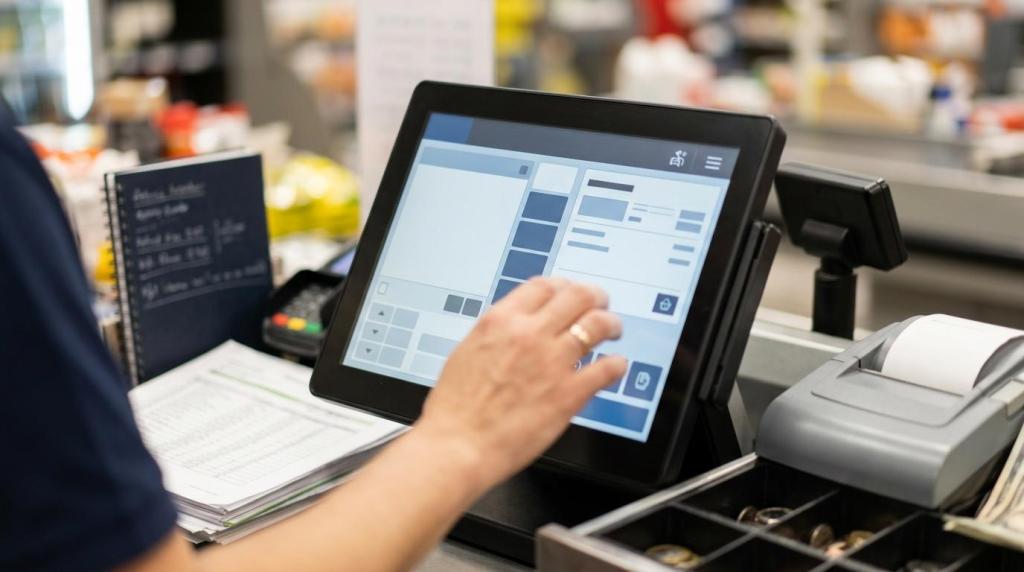
A sweepstakes system improves store operations when it combines promotions, POS, reporting, inventory visibility, and redemption controls in one place. That matters because your staff are not managing a marketing campaign in isolation, they are handling money, customer identities, prize flows, and daily closeouts.
TL;DR: Summary
- A sweepstakes system improves store ops when it unifies POS, player accounts, prize redemption, reporting, and compliance controls instead of splitting them across separate tools.
- The biggest operational gain is real-time visibility: one system can show sales, entries, redemptions, staff activity, and inventory movement without manual reconciliation.
- Compliance is part of operations, not a side task: FTC guidance requires clear no purchase necessary disclosures, and IRS rules can trigger Form W-2G reporting and 24% withholding based on prize value and wager thresholds.
- If you run one store, speed and audit trails matter most; if you run multiple locations, you also need role-based access, location-level reporting, kiosk management, and centralized controls.
- Cloud-based platforms reduce local server maintenance, but you still need clear SOPs for redemptions, ID checks, cash drawers, and exception handling.
If you operate an internet cafe, fish game room, smoke shop, gas station, or kiosk network, the right system can cut manual work and reduce compliance risk at the same time. The real test is not whether the software can run a promotion, but whether it can support the full store workflow from sale to redemption to audit.
What is a sweepstakes system for retail operations?
A sweepstakes system is an operations platform that combines POS, player accounts, prize redemption, and reporting in one workflow. Oracle describes modern POS as a single view of the customer, inventory, and order; your sweepstakes setup needs that same unified control plus disclosure and payout tracking.
In a physical retail setting, that usually means one platform handles promotional credits, cashier actions, player balances, redemptions, receipt history, shift reporting, and store-level controls like age gates or kiosk access. A common misconception is that this is just game software. It is closer to a retail control system with promotional logic attached.
" RiverSlot supports player accounts, redemptions, reporting, staff access, and location management in one web-based platform."
When you centralize those tasks, you reduce handoffs between notebooks, spreadsheets, standalone terminals, and memory-based procedures. That is where operational improvement starts.
Why do separate POS and promo tools create store friction?
Separate tools create avoidable errors. Shopify notes fragmented datasets make reporting confusing, and that problem gets worse when sweepstakes entries, cash redemptions, and store sales sit in different systems.
If your cashier sells a qualifying product in one system, issues entries in another, and logs a payout on paper, you do not have one audit trail. You have three partial records. That creates slower reconciliations, weaker exception handling, and more disputes over whether a balance, redemption, or stock level is correct.
A common mistake is assuming nightly exports solve this. They rarely do, because store issues usually happen in real time, at the counter, during a shift, when a staff member needs one answer now.
"RiverSlot is cloud-based, so your store does not need to host a server or handle routine maintenance."
Operationally, unified systems matter for more than accounting. Oracle reports that store staff often use mobile POS features to access inventory levels or product availability, and Shopify ties real-time tracking to less time spent counting and reconciling. The same logic applies here: when your team can see the current state of a sale, an account, and a redemption on one screen, lines move faster and errors drop.
What are the 7 ways a sweepstakes system improves store ops?
The best sweepstakes systems improve store ops in seven clear ways. RiverSlot and similar retail platforms matter because they tie transaction flow, reporting, player management, and compliance tasks to the same daily workflow.
- Unified transaction flow: Platforms like RiverSlot can keep sales, player funding, entries, and redemptions inside one operating record, which reduces manual switching and missed steps.
- Real-time reporting: You can review activity by store, register, shift, or staff member instead of waiting for end-of-day reconciliation.
- Faster redemptions: Staff can verify balances and payout history before cash changes hands.
- Better inventory visibility: If promotional eligibility depends on products sold, your POS and inventory records stay connected.
- Clearer compliance controls: Rules, disclaimers, age checks, and geofencing can be built into the workflow instead of handled ad hoc.
- Lower support overhead: Cloud-based systems cut local server upkeep and routine maintenance tasks.
- Cleaner multi-location management: Owners and distributors can compare locations, standardize permissions, and spot outliers sooner.
The key trade-off is simple: the more functions your system centralizes, the more important setup discipline becomes. You gain speed and visibility, but only if your products, roles, redemption policies, and reporting views are configured correctly.
How do you launch a sweepstakes system quickly?
You can launch quickly if you standardize the workflow first. With a web-based platform like RiverSlot, the practical job is mapping products, permissions, and redemption rules before staff ever touch the register.
Step 1: Define the live workflow. Decide which products or purchases can trigger entries, who can fund or adjust accounts, who can redeem prizes, and what ID or approval rules apply. If you skip this step, you are not launching faster, you are just moving confusion into software.
Step 2: Configure staff roles and devices. Assign permissions for cashiers, managers, and owners. Then connect the actual operating points, which may include tablets, desktops, printers, kiosks, or cash drawers. Pro tip: do not assume you need special hardware if the platform is web-based, but do verify browser, printer, and network behavior before opening.
Step 3: Run a live test cycle. Process one sale, one qualifying entry, one redemption, and one report check. If the numbers match across the drawer, account, and report, your staff training becomes much easier.
RiverSlot states that locations can launch in under 1 hour, which is realistic only when your SOPs are already defined. Speed comes from preparation, not from skipping controls.
How do you keep sweepstakes disclosures compliant at the counter and on kiosks?
Compliant entry flows are built, not assumed. FTC guidance makes clear that a sweepstakes must separate sales pressure from entry messaging, and your counter, kiosk, and staff scripts should mirror that rule.
Step 1: Separate purchase language from sweepstakes language. The FTC action against Publishers Clearing House focused on misleading consumers into thinking a purchase was required or improved their odds. Your screens, printed rules, and staff scripts should make the opposite clear. If no purchase is necessary, that statement must be easy to see and easy to understand.
Step 2: Place disclosures where decisions happen. That means on kiosk entry points, at the register, and in written rules available to customers. A common mistake is hiding the core rule in a wall poster while the actual transaction screen pushes purchase language.
Step 3: Keep versioned records of rules and templates. If you update promotional terms, you need to know what a customer saw at the time of entry. That matters for complaint handling and internal reviews.
This is one area where operations and compliance are the same thing. If your system cannot control what message appears before an entry or purchase action, staff will improvise, and improvised compliance usually fails first at the busiest moment.
How should your store handle redemptions, payouts, and tax reporting?
Payout workflows need tax logic, not just cash handling. IRS rules for Form W-2G, 24% withholding, and the 300-times-wager test mean your sweepstakes system should capture enough data to support each redemption decision.
The IRS says payers must file Form W-2G for gambling winnings from a sweepstakes, wagering pool, or lottery when the winnings meet the reporting threshold and are at least 300 times the wager. It also states that federal income tax withholding is 24% when winnings minus the wager exceed $5,000, and backup withholding can also apply at 24% when reportable winnings meet the threshold under the stated conditions.
"RiverSlot is built for retail sweepstakes operations, internet cafes, fish game rooms, kiosks, and multi-location distributor networks."
For store ops, that means your system should log the wager basis, win amount, player identity details where required, payout method, and manager approval trail. A common misconception is that every redemption can be treated like a standard cash refund. It cannot. If the transaction crosses a reporting threshold, the tax workflow changes.
If your staff do not know when to pause a payout and escalate, software alone will not save you. Your SOP should say exactly when ID collection, tax form handling, or manager review is required.
Sweepstakes system vs standard retail POS: which one fits your store?
A standard retail POS and a sweepstakes system solve different problems. Oracle and Shopify describe sales, inventory, and customer visibility well, but sweepstakes operations also need player accounts, rule disclosures, and prize audit trails.
A standard retail POS is often enough if you only need product sales, refunds, stock counts, and employee reporting. It can already support barcode scanning, inventory tracking, vendor management, and purchase order workflows. That is strong retail functionality.
A sweepstakes system becomes the better fit when promotional entries, prize redemption, and player-level controls are part of daily business. If you need to connect a qualifying sale to an entry, then to an account balance, then to a redemption and possible tax decision, generic POS usually leaves gaps.
The trade-off is specialization. A sweepstakes system should still behave like strong retail software, but it adds compliance and redemption logic that ordinary POS was not built to manage.
Cloud-based sweepstakes system vs server-based setup: what changes operationally?
Cloud-based systems usually reduce operational drag. RiverSlot uses a cloud model, which removes the need to host a local server, but you still need good device, network, and cash-control procedures inside each store.
With a local server setup, your team owns more of the maintenance burden. Updates, backups, downtime troubleshooting, and hardware failure become local problems. In a single store with strong in-house technical support, that may be manageable. In a multi-location network, it becomes expensive and inconsistent fast.
With a cloud-based sweepstakes system, remote updates and centralized access are easier. Owners can review activity without visiting each site, and support teams can resolve many issues without touching local infrastructure. Pro tip: cloud does not mean risk-free. You still need an outage procedure for internet interruptions, receipt printer issues, and manual cash verification.
If you want fewer maintenance points and quicker rollout, cloud is usually the practical choice. If you need heavy local customization and accept the support load, server-based setups can still work, but they demand tighter technical discipline.
What should multi-location owners look for in a sweepstakes system?
Multi-location growth depends on control at both store and network level. Shopify highlights reporting by location, register, and staff member; a sweepstakes system should add distributor, kiosk, and redemption visibility on top of that.
Step 1: Standardize permissions and exceptions. Decide what a cashier can do, what only a manager can approve, and what actions trigger an audit flag. If every store handles overrides differently, your reporting becomes hard to trust.
Step 2: Test reporting from the top down and bottom up. You should be able to see network totals, store-level trends, register detail, and staff activity without exporting raw data just to answer simple questions. This is where many systems look fine in a demo and weak in live use.
Step 3: Check remote configuration tools. Templates for promotions, compliance settings, or kiosk modes matter when you have many sites. If a rule change requires one-by-one manual edits, scale will punish you later.
Multi-location operators should also check whether the platform supports location management, distributor dashboards, and store-specific policies. One size does not fit every venue, but one control standard should.
What mistakes cause reporting, inventory, or compliance problems?
Most store problems come from process gaps, not game content. When sales, inventory, redemptions, and compliance logs live in separate habits instead of one system, you lose speed, cash visibility, and defensible records.
One frequent issue is weak inventory linkage. Shopify notes that inventory-focused POS reports help keep cash liquid instead of sitting on shelves. If promotional activity depends on product movement but your stock records are stale, you may over-order, under-order, or misread which offers are actually driving sales.
Another issue is missing real-time visibility for frontline staff. Oracle reports that store teams commonly use POS tools to check inventory availability and product information. If your clerk cannot see the current status of a product, account, or redemption while the customer is present, the store absorbs that delay in longer lines and more manager calls.
A final problem is treating compliance like a poster on the wall instead of a controlled workflow. FTC disclosure rules, age controls, redemption logs, and tax triggers should live inside your operating system wherever possible. If they live only in staff memory, they will fail under pressure.
Your best operational result comes from one simple principle: every sale, entry, redemption, and exception should leave one clear record that you can review by store, staff member, and date without rebuilding the story later.