


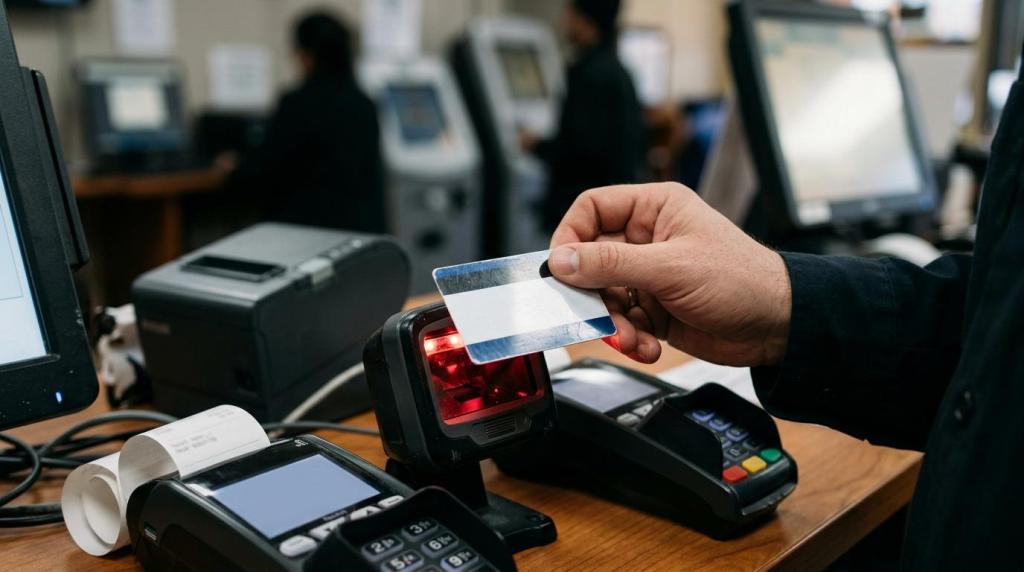
For many retail operators, internet cafe sweepstakes software looks simple from the customer side. A player buys a product or promotional package, logs in, opens a game, and may redeem a win at the counter. Behind that short interaction, though, the system is coordinating sales, player balances, game access, reporting, security, and location controls in real time.
That is why this category of software is much more than a game launcher. In a physical store, it acts as the operating system for the promotion itself, connecting the cashier station, player accounts, kiosks, redemption flow, and management dashboard into one web-based platform.
What internet cafe sweepstakes software manages
At a business level, internet cafe sweepstakes software connects two parts of the operation that have to stay in sync: the retail transaction and the promotional game experience. When a customer makes a qualifying purchase, the software records the sale, applies the correct promotional credits or entries, and updates the player account right away. The customer can then use those credits on an in-store terminal, kiosk, tablet, or another approved access point.
For operators, this creates a much cleaner model than juggling separate systems for checkout, player tracking, and reporting. A modern platform can handle cashier actions, session timing, prize redemptions, configurable promotions, and store-level controls from a central admin area. In RiverSlot’s case, the model is web-based, which means stores can run without local servers or special hardware and still manage activity across one location or many.
Internet cafe sweepstakes software workflow from sale to game play
The core workflow is straightforward, but the software has to process every step accurately and quickly. It starts at the point of sale and ends with reporting, audit logs, and account updates.
A typical operational flow looks like this:
- Customer purchases a qualifying product, time package, or promotional offer.
- The cashier creates or accesses the player account.
- The system applies sweepstakes credits or entries based on the configured promotion.
- The player logs in at a terminal, kiosk, or approved device.
- The game interface deducts credits as play occurs and updates balances in real time.
- If the player wins, the software records the result and supports redemption through the cashier or voucher process.
That flow matters because every stage affects revenue control. If credits do not post correctly, if balances lag, or if redemptions are not logged cleanly, operators lose visibility fast. Strong platforms are built to keep those handoffs immediate and trackable, which is one reason cloud-hosted systems have become attractive for single stores and multi-location groups alike.
Cloud architecture in internet cafe sweepstakes software
Most current systems use a thin-client, cloud-based structure. The terminals inside the store do not need to hold the full logic of the system. Instead, the software runs through lightweight front ends, often browser-based or HTML5-driven, while the account data, reporting engine, game management, and core controls stay centralized.
This structure gives operators several practical advantages. New games, updated promotions, pricing changes, and permission changes can be pushed from one place. A manager can check activity remotely, see which terminals are online, and review transaction data without being in the store. It also reduces maintenance because the location is not relying on a local server that has to be patched, backed up, and replaced over time.
| System Component | What It Does | Why It Matters for Operators |
|---|---|---|
| Cashier POS | Processes purchases and account funding | Keeps sales tied directly to player balances |
| Player account database | Stores credits, history, and session details | Supports repeat visits and accurate reporting |
| Game interface | Displays approved games and deducts entries | Keeps play controlled by account balance |
| Cloud admin portal | Manages pricing, promotions, users, and reports | Allows remote oversight across locations |
| Redemption tools | Records wins, vouchers, and payouts | Supports accountability at the counter |
| Compliance controls | Applies age gates, limits, and location rules | Helps stores configure operations by market |
For distributor networks or operators with several stores, centralized architecture has another benefit: consistency. One store should not be using outdated rules while another uses a new promotional setup. A shared cloud environment helps keep policy, branding, and reporting aligned across the network.
POS, player accounts, and redemptions in retail locations
The point-of-sale side is where business discipline shows up. Staff need a system that moves quickly at the counter, remembers common transaction patterns, and makes account handling easy during busy periods. A strong POS workflow keeps the sale simple while giving management the detail needed later for reconciliation and reporting.
Player accounts are equally important. Instead of treating each visit like a one-off transaction, the software creates a persistent customer profile with balances, session history, and redemption activity. That can support loyalty offers, repeat traffic, and a more consistent customer experience across devices or even across multiple stores where the operator allows shared access.
From an operations standpoint, these are the functions that matter most:
- Account creation: New player setup, ID-linked profiles, or guest access depending on store policy
- Balance management: Real-time tracking of promotional entries, wins, and available credits
- Cashier controls: Fast reloads, transaction history, void rules, and receipt support
- Redemption workflow: Voucher printing, cashier payout records, and audit-friendly logs
- Session visibility: Active terminal use, current balances, and player status on one screen
When these tools are integrated well, front-counter work becomes more consistent. Staff do not need to move between separate apps to sell, credit, and redeem. That is especially valuable in smoke shops, gas stations, convenience stores, lounges, and fish game rooms where the same employee may be handling retail sales and promotional activity at the same time.
Compliance and security features in internet cafe sweepstakes software
Compliance is one of the first things experienced operators ask about, and for good reason. The software does not make a store legal by itself. Operators still need qualified legal guidance in each jurisdiction. What the platform can do is provide controls that support the operating model a business chooses to use.
That usually includes age gates, geofencing, configurable promotional modes, free-entry management, prize limits, account verification, and detailed logs. If the rules for a market change, the software should make it possible to update settings without rebuilding the entire operation. That flexibility matters in a category where location-specific requirements can differ sharply.
Security is just as important. Because money, player balances, and redemption records are involved, systems should be built with encrypted connections, role-based access, manager permissions, and event logs that record who did what and when. Centralized game logic also helps reduce tampering risk at the terminal level.
The strongest platforms usually include controls like these:
- Age verification: Blocks underage access based on store policy and required checks
- Geofencing: Restricts access by approved physical area or configured location rules
- Role permissions: Separates cashier, manager, owner, and distributor access
- Audit logs: Captures transactions, balance changes, redemptions, and settings updates
- Remote controls: Disables terminals or user access when suspicious activity appears
For operators, this is not just about risk reduction. It is also about confidence. When a question comes up about a redemption, a balance adjustment, or a staff action, the system should provide a clear trail rather than a guess.
Hardware and deployment requirements for internet cafe sweepstakes software
One reason web-based internet cafe sweepstakes software has gained traction is that the hardware barrier is lower than many people expect. Stores do not necessarily need a dedicated server room or high-end gaming machines across the floor. In many cases, standard Windows PCs, Android tablets, kiosks, printers, and a stable internet connection are enough.
This model is attractive for retail businesses that want to move quickly. RiverSlot emphasizes launch speed, no setup or support fees, and cloud delivery, which fits operators who want to add promotional sweepstakes without a long installation cycle. A location can often be configured in under an hour when the devices, network, and store workflow are already in place.
Common hardware needs include a cashier station, player terminals or tablets, receipt or voucher printers, card or barcode readers if needed, and network coverage that stays stable during peak use. Optional devices may include self-service kiosks, redemption kiosks, or TV-based display setups depending on the venue layout.
Reporting and multi-location control for B2B operators
For a single store, reporting helps owners answer practical questions fast. Which promotions are driving reloads? Which terminals are underused? How much was sold, redeemed, and paid out today? Those answers shape staffing, merchandising, and promotional timing.
For multi-location businesses, reporting becomes a management tool rather than just an accounting tool. Operators can compare stores, track distributor performance, standardize pricing models, and spot unusual activity before it becomes expensive. That is where a cloud dashboard has real value. It turns store activity into something leadership can review from anywhere, at any time.
RiverSlot’s multi-location approach speaks directly to this need with centralized reporting, kiosk management, configurable templates, and support for distributor networks. Add play-at-home extensions, and operators also gain a way to keep customer engagement going beyond the four walls of the store while keeping the same account structure in place where permitted and configured.
What operators should evaluate before choosing internet cafe sweepstakes software
The right platform is not just the one with the biggest game library. It is the one that fits the store model, staff workflow, and management style of the business.
Before choosing a provider, operators should look closely at the practical fit:
- Cloud access
- Speed of launch
- POS usability
- Account portability
- Promotion controls
- Multi-store reporting
- Support availability
- Hardware flexibility
It also helps to ask direct questions during a demo. How are redemptions recorded? How are free entries handled? Can pricing and promotions be changed by location? What permissions can be assigned to staff? How quickly can a terminal be disabled? Can the system support smoke shops, gas stations, kiosks, lounges, or fish game rooms with different operating modes?
A solid answer to those questions usually points to a platform built for retail execution, not just game display. That is the real value of internet cafe sweepstakes software for B2B operators. It gives the business a controlled, scalable way to manage promotions, transactions, and player activity in one connected system.