


A sweepstakes system rollout succeeds or fails on control, not just on software. RiverSlot, a web-based provider of sweepstakes software for retail locations, is relevant here because store operators usually run into the same problems: inconsistent rules, weak permissions, and staff workflows that drift across shifts.
TL;DR: Summary
- A sweepstakes system rollout is safest when every store uses the same official rules, free entry method, staff script, and redemption workflow.
- The FTC says sweepstakes-type promotions that require a purchase are illegal, and disclosures must cover no-purchase entry, odds of winning, and material conditions when applicable.
- Your sweepstakes system should connect player accounts, entries, prize activity, redemptions, and reporting in one workflow so you can audit what happened at store level.
- RiverSlot is one example of a retail sweepstakes software platform built around POS, kiosk management, reporting, and compliance controls, which matters when you operate more than one location.
- The biggest rollout risks are contradictory signage, missing disclosures, overbroad staff permissions, poor redemption records, and weak post-launch audits.
If you run smoke shops, gas stations, internet cafes, bars, kiosks, or a distributor network, you need to think about both promotion law and store operations at the same time. A good launch is not just about getting terminals live. It is about making sure the rules customers see match what your team actually does at the counter.
What is a sweepstakes system for a retail store?
A sweepstakes system is the operating layer behind a promotional game program in a store. In platforms like RiverSlot, that usually means POS, player accounts, entries, prize activity, redemptions, reporting, and kiosk controls working together.
That definition matters because many operators think only about the front-end game. In practice, the higher-risk parts are usually behind the scenes. Who can issue or adjust credits? Where is the free entry method shown? Which screen or printed asset displays the official rules? How do you prove a redemption was valid if a customer disputes it later?
A store-level sweepstakes system should support two tracks at once. The first is transaction control: account creation, entry issuance, prize records, and cash handling. The second is disclosure control: no purchase necessary language, odds statements when required, material conditions, and a non-conflicting official rules set. If those two tracks are disconnected, your rollout is fragile from day one.
"RiverSlot says stores can launch in under 1 hour without servers or special hardware."
Why do rollout mistakes create legal and operational risk so quickly?
Rollout mistakes spread fast because one bad script or one wrong setting can affect every shift. The FTC and state agencies focus on what customers are told, how they can enter, and whether your terms are clear and consistent.
The core legal issue is simple. If your promotion requires a purchase to participate, you have a serious problem. The FTC states that sweepstakes-type promotions that require a purchase by participants are illegal in the United States. California also says legitimate sweepstakes are free and by chance, and Washington requires promotional contest rules to clearly state that no purchase is required.
The operational issue is just as important. One manager may post the right sign, while another prints an outdated version. One cashier may explain the free method correctly, while another says customers need to buy first. A common misconception is that good intentions fix bad execution. They do not. If the customer experience contradicts the written rules, your risk does not stay theoretical.
This is why "clear and conspicuous" matters. Hidden footers, unreadable counter signs, or inconsistent kiosk text can undermine an otherwise decent program.
What are the 7 setup mistakes that break a sweepstakes system rollout?
The most common rollout failures are predictable. They usually involve purchase pressure, inconsistent disclosures, poor access control, and missing audit evidence.
Before you launch, you should test your program against the seven failure points below. If even one is weak, it will usually create trouble somewhere else.
-
Treating purchase as the only real way to enter
If staff imply that buying is required, your rollout can fail even if a free method exists on paper. -
Publishing official rules that conflict with store signage or kiosk text
Contradictory terms are a major risk, especially when they qualify or weaken required disclosures. -
Omitting key disclosures
Odds of winning, no-purchase entry details, and material costs or conditions cannot be left vague when they apply. -
Giving too many people permission to edit accounts or override redemptions
Loose permissions create fraud risk and make investigations harder. -
Failing to log player accounts, prize activity, and redemptions in one place
Fragmented records make disputes, audits, and reconciliations messy. -
Training once and assuming every shift will stay compliant
Staff turnover and shift variation can erode a rollout quickly. -
Running multiple locations without centralized reporting or kiosk controls
What looks like a small issue in one store can become a network-wide pattern.
How do you standardize official rules and disclosures before launch?
You standardize rules by building one master source, converting it into every customer-facing asset, and checking for contradictions before the first store goes live. The FTC and 39 U.S.C. § 3001 both point you toward consistency, not improvisation.
Step 1 is to draft one master rules document. That document should define the promotion name, eligibility, start and end timing, free entry method, odds language where needed, prize details, material conditions, and redemption terms. If state law triggers registration, licensing, or bonding requirements, you need that review before rollout, not after signage is printed.
Step 2 is to map the master rules into each channel. That includes counter signs, kiosks, printed receipts, landing screens, employee scripts, and any text messages or phone-based interactions. If a customer can see or hear the promotion there, the core disclosures must stay intact there too.
Step 3 is a contradiction check. The U.S. mail sweepstakes statute is strict about contradictory statements that limit or explain required disclosures inconsistently. That principle is useful even outside mail. Common mistake: operators write a good rules document, then let stores create local signs with different wording. Your shortest sign can still be compliant, but it cannot undercut the main rules.
How should you set permissions, player accounts, and redemption controls?
RiverSlot and similar retail platforms work best when cashier, manager, and distributor permissions are separated from day one. Your sweepstakes system should treat player accounts and redemptions as controlled financial events, not casual store actions.
Step 1 is role design. Decide exactly who can create accounts, issue entries, adjust balances, redeem prizes, void mistakes, and view multi-location reports. If everyone can do everything, you will not know whether a problem was fraud, training failure, or a simple mistake.
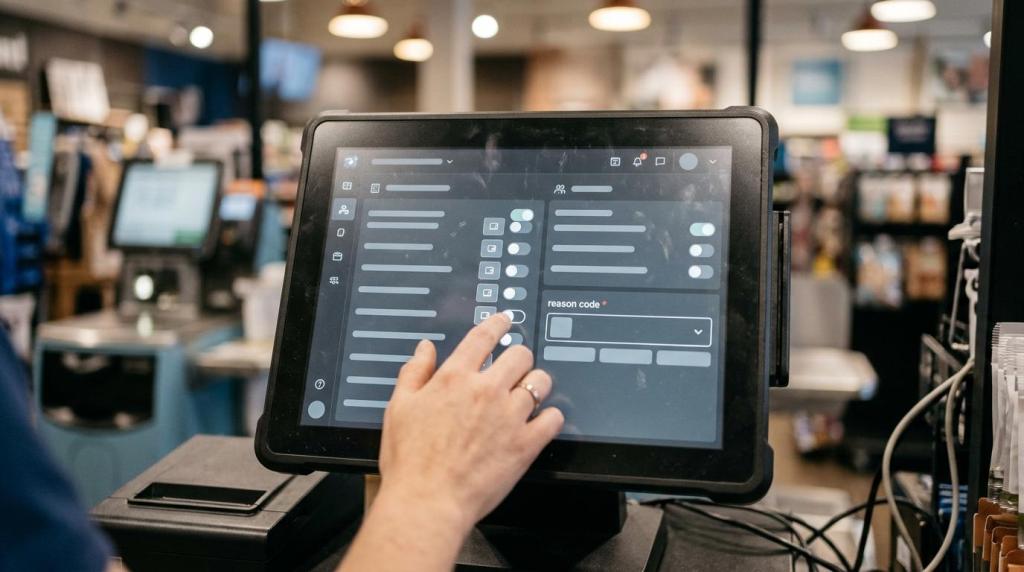
Step 2 is transaction design. Every redemption should tie back to a player account, timestamp, location, and staff action. The same applies to balance adjustments and account changes. Pro tip: the strongest control is not just requiring a manager override. It is requiring a traceable reason code for the override.
Step 3 is exception review. Look for repeated voids, off-hours adjustments, unusual redemption patterns, or one user account making too many corrections. That is where operational drift usually appears first.
"RiverSlot includes age gates, geofencing, configurable modes, and 24/7 customer support for store-level control."
What is the difference between a compliant sweepstakes workflow and a risky one?
A compliant workflow makes entry, rules, and redemption easy to verify. A risky workflow depends on staff memory, scattered records, and customer-facing terms that change from store to store.
You can usually spot the difference by following the customer path from entry to payout.
- Entry path: A compliant program offers a real no-purchase method; a risky one hides it or makes purchase feel mandatory.
- Rules display: A compliant program uses matching official rules, signage, and screen text; a risky one mixes versions.
- Account records: A compliant program ties entries and prizes to player accounts; a risky one relies on manual notes.
- Redemption process: A compliant program logs who redeemed what and when; a risky one allows informal cash-outs.
- Audit trail: A compliant program supports location-level review; a risky one leaves gaps you cannot reconstruct later.
If you cannot answer "what happened, where, and who approved it?" within minutes, your workflow is too loose.
How do you train store staff so scripts and signage stay consistent?
You keep staff consistent by giving them one script, one escalation path, and recurring checks after launch. Training only at opening week is not enough for a retail sweepstakes system.
Step 1 is to script the high-risk moments. That means how staff explain entry, how they answer "Do I have to buy something?", and what they say during redemption. You want short, plain language that matches your official rules exactly.
Step 2 is to rehearse exceptions, not just normal transactions. What happens if a customer asks for the free entry method? What if signage is missing? What if a payout question comes up? If staff only practice the ideal path, real-world variation will expose the weak spots.
Step 3 is to test the floor. Use spot checks, mystery calls, or manager observations. Common misconception: if the signage is correct, the store is safe. In reality, spoken explanations can create just as much risk as printed text.
Should you use a cloud-based sweepstakes system or a server-based setup?
For most multi-location retailers, a cloud-based sweepstakes system is the better operational choice. It makes updates, centralized reporting, permissions, and remote troubleshooting easier than a server-based store-by-store setup.
If you operate one site with fully local equipment and very limited change, a server-based setup may feel familiar. Still, it creates version-control problems. Every time you update rules text, permission logic, or kiosk behavior, you have to confirm each location is actually on the current build.
A cloud-based model simplifies that. You can roll out approved templates, review account activity across locations, and push operational changes faster. That matters if you manage smoke shops, gas stations, lounges, or distributor networks with different staffing patterns. It also matters when you need to prove that Store A and Store B were using the same rule set at the same time.
If your growth plan includes multiple stores, then central administration usually beats local maintenance.
What should you audit weekly after rollout?
You should audit the customer path, the redemption trail, and the permissions matrix every week. Weekly review is how you catch drift before it becomes a repeated pattern.
A strong weekly audit usually covers a short list of controls rather than a giant checklist. Focus on the items most likely to show whether stores are following the same program.
- Free entry access: Confirm the no-purchase method is available and explained consistently.
- Disclosure consistency: Match official rules, signs, kiosk screens, and staff script samples.
- Redemption records: Review prize payouts, voids, manual corrections, and exception reasons.
- User permissions: Check for new users, role changes, and accounts with excess authority.
- Location patterns: Compare stores for unusual variance in entries, payouts, or adjustments.
Pro tip: audit exceptions, not averages. A store that looks normal on totals can still have one user or one shift creating most of the risk.
How do multi-location operators keep one store from becoming the weak link?
You prevent weak-link stores by centralizing templates, locking critical settings, and reviewing reports by location, user, and shift. Multi-store consistency is a control system, not a memo.
Variation compounds in retail. If one store uses outdated signage, another allows broad redemption overrides, and a third explains the promotion differently, your network no longer has one sweepstakes program. It has several versions of the same program, each carrying a different risk profile.
The fix is practical. Use one approved rules package, one signage library, one staff script, and one permission model. Then layer in location-specific controls only where they are justified, such as age gates, geofencing, or approved operating modes. If a distributor manages several stores, then reporting should still roll up centrally so you can spot anomalies before they spread.
That is how you turn a sweepstakes system from a store-by-store experiment into a repeatable retail operation.